Destination
The Egyptian Red Sea: wrecks in the north, sharks in the south
From Dahab and Ras Mohammed to Thistlegorm, Abu Nuhas, Hurghada, Marsa Alam and the deep south, this is the guide to choosing the Red Sea journey that fits you.
22 min read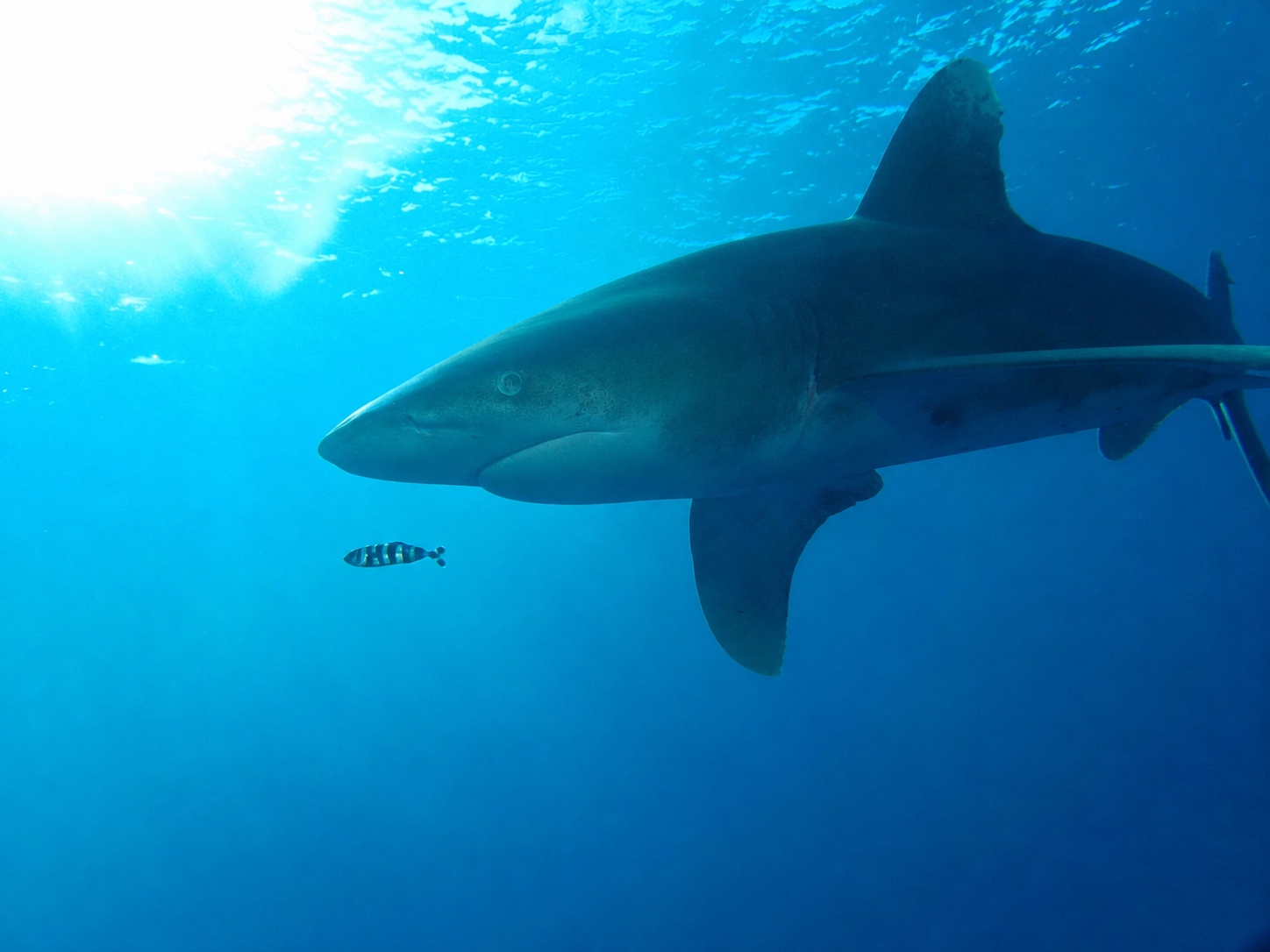
NorthWrecks and reef walls
Straits of Gubal, Abu Nuhas, Ras Mohammed and the Sinai coast.
SouthRemote reefs and wildlife
Offshore pinnacles, coral gardens, sharks, turtles and pelagic encounters.
Ways to diveShore, day boat or liveaboard
The right base depends on the sites, comfort and experience you want.
Essential checkCurrent travel advice
Security guidance and route restrictions can change quickly.
North Red Sea
Wreck history, Sinai shore diving and famous reef walls.
The northern Red Sea combines three different holidays. Sharm el-Sheikh offers the largest resort infrastructure, day boats to Ras Mohammed and the Straits of Tiran, and access to northern liveaboard departures. Dahab is smaller and more informal, with shore diving, technical diving and a major freediving community. Taba Heights is quieter and farther north, with Gulf of Aqaba reefs and mountain scenery.
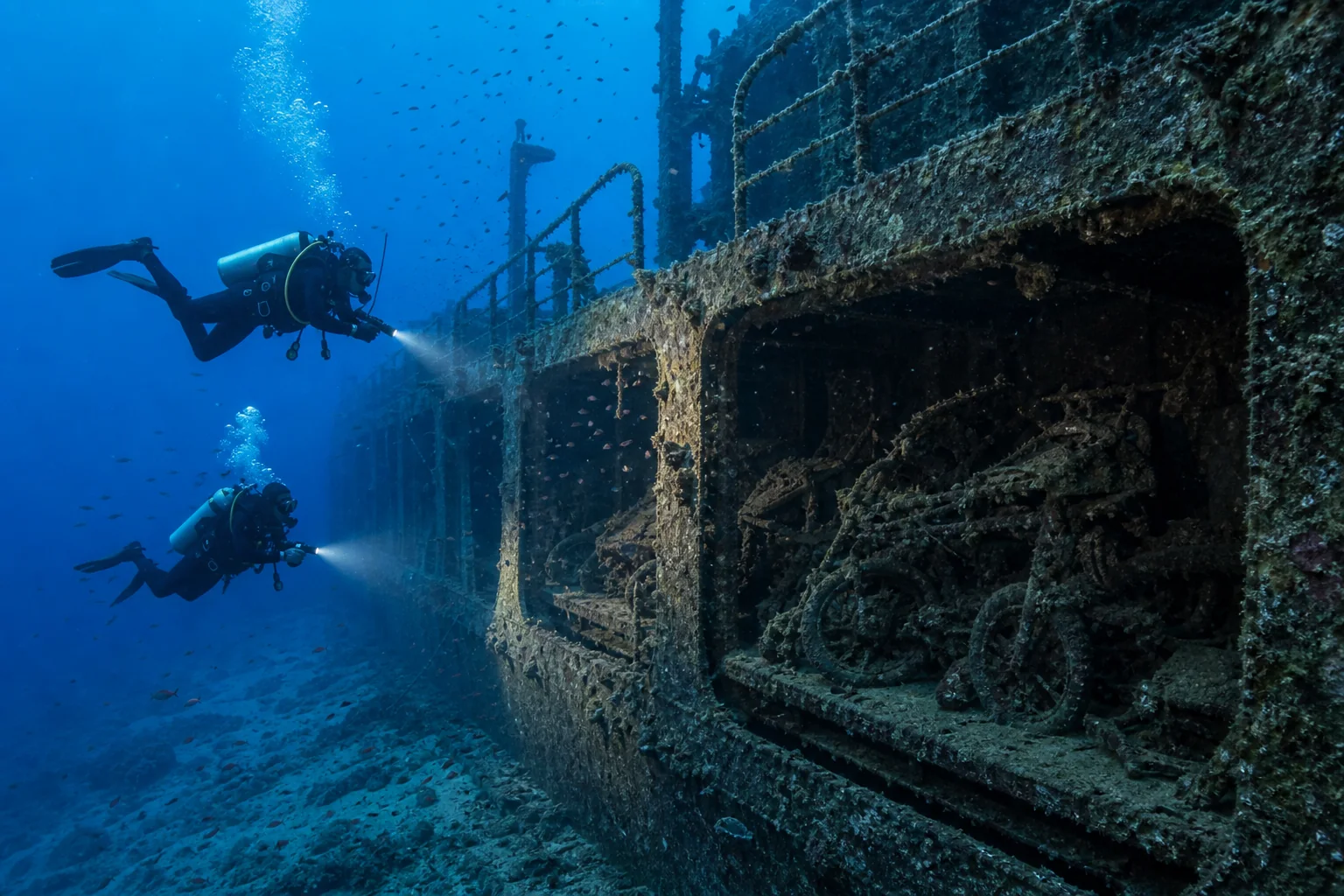
The wreck routes sit mainly west of Sinai around the Straits of Gubal and Sha'ab Abu Nuhas. They are usually reached by liveaboard or selected long day trips rather than ordinary shore diving. Conditions, moorings, depth and interior access differ from wreck to wreck.
Two very different Red Seas
Rust and history in the north, wild blue water in the south.
The northern Red Sea is the classic choice for divers who love wrecks. The SS Thistlegorm, Dunraven and the ships lying against Sha'ab Abu Nuhas can fill a week before reef dives at Ras Mohammed and the Straits of Tiran are added. The southern routes feel more oceanic. Elphinstone, the Brothers Islands, Daedalus Reef and the St John's system bring steeper walls, stronger current and a better chance of large pelagic animals.
That division is useful, but it is not absolute. Northern reefs carry abundant marine life, and southern routes include wrecks and sheltered coral gardens. The real choice is between access, experience level, route length and how much of the trip you want to spend offshore.
Interactive dive-site map
From Sinai to Egypt's deep south
This map separates the northern wreck corridor, mainland resort coast and remote southern offshore reefs. Select any labelled pin to open reputable information about that site or area.
Pins now remain fixed to their real latitude and longitude while the map moves. Confirm the exact entry, weather, current and required experience with the operating dive centre. Open the full regional map.
Northern wreck library
The names every wreck diver hears.
Open each guide before travelling, then use the operator's briefing for the actual dive. Conditions, mooring arrangements and access can change.
SS Thistlegorm
A Second World War cargo ship with motorcycles, trucks, railway equipment and ammunition holds.
Read the wreck guideGiannis D
The instantly recognisable Abu Nuhas cargo wreck, lying on its port side with an atmospheric engine-room area.
Read the wreck guideCarnatic
A nineteenth-century passenger and cargo ship whose open framework is now heavily colonised by marine life.
Read the wreck guideChrisoula K and Marcus
The famous tile-wreck story is complicated by identification questions, which is why careful sources matter.
Read the wreck guideKimon M
The deeper Abu Nuhas wreck, sometimes called the Lentil Wreck, with conditions and depth demanding good planning.
Read the wreck guideDunraven
A steamship wreck south of Ras Mohammed, often combined with reef diving on northern itineraries.
Read the wreck guideRosalie Moller
A deeper Second World War wreck in the Gulf of Suez area, normally treated as an advanced dive.
Read the wreck guideSalem Express
A modern maritime disaster and grave site near Safaga that requires exceptional respect and a conservative, non-intrusive approach.
Read the wreck guide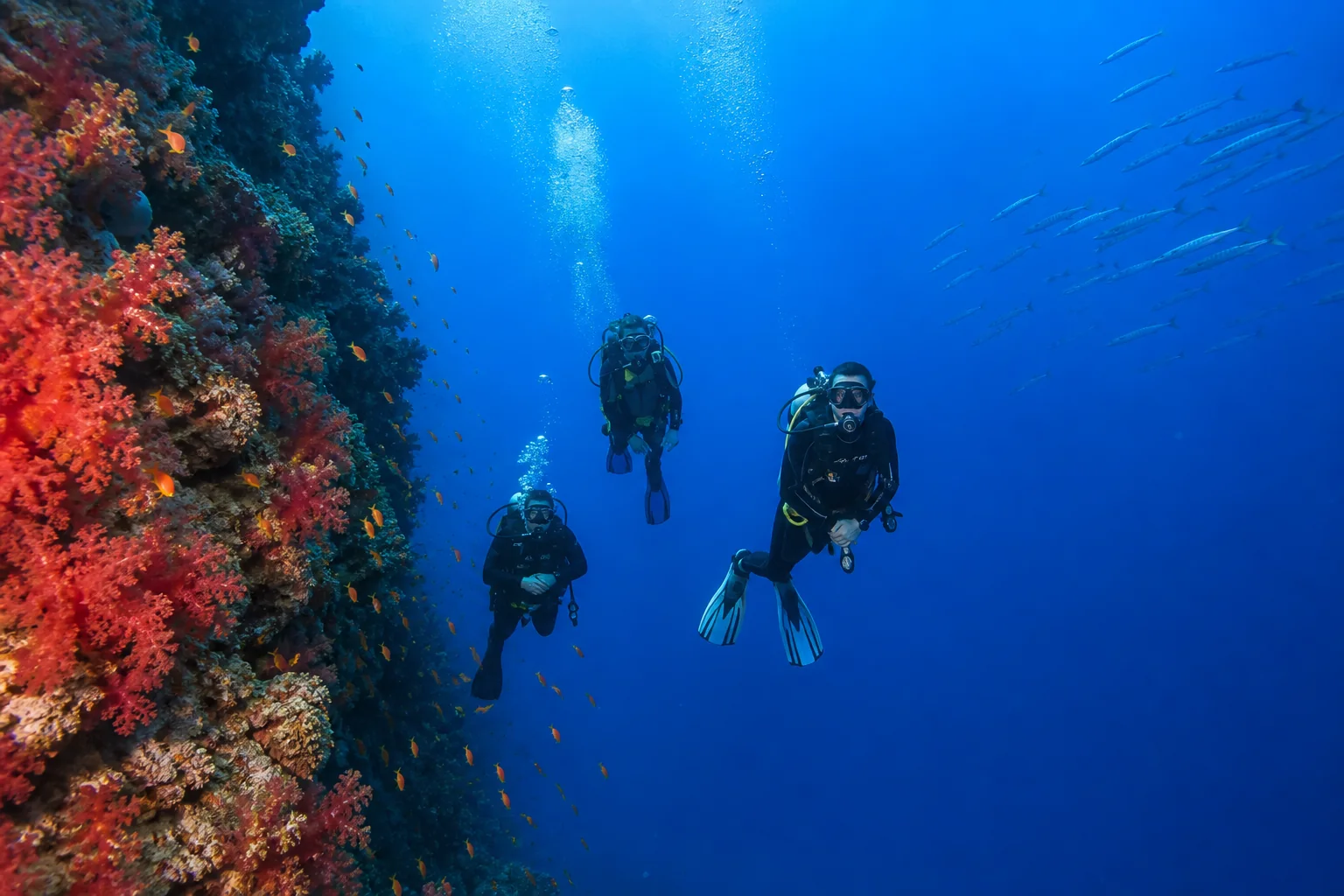
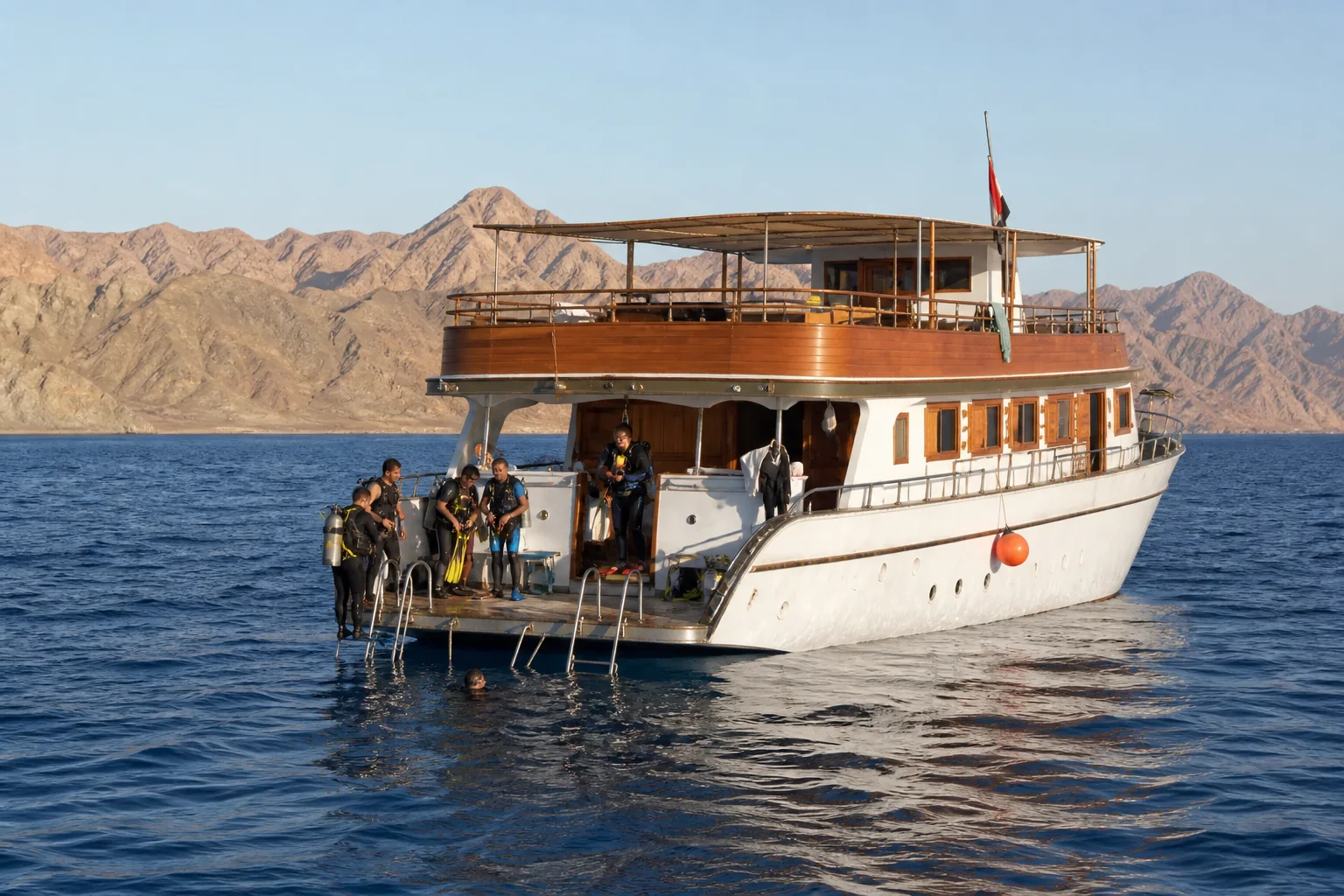
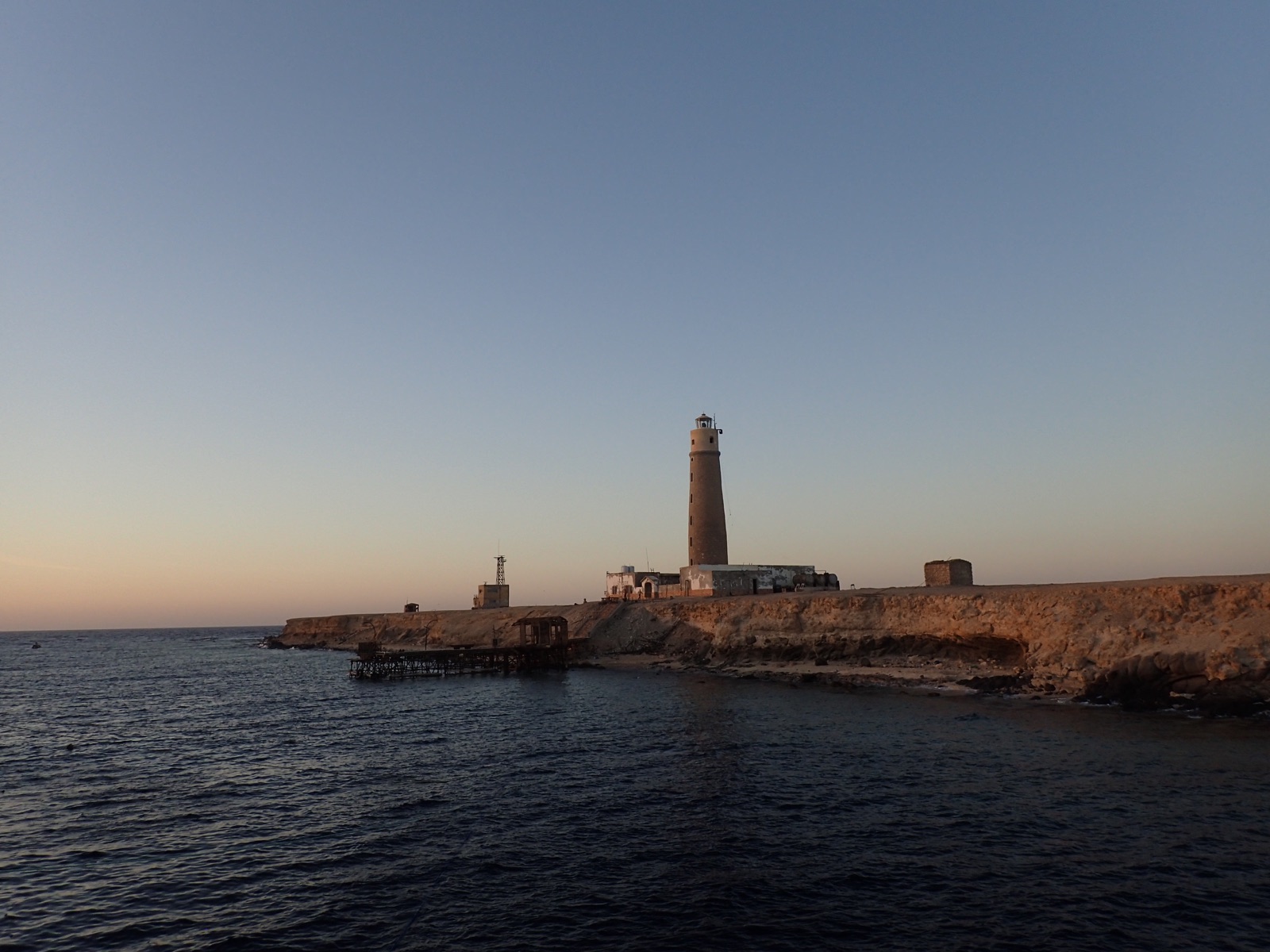
South Red Sea
Resort reefs, offshore walls and journeys into the deep south.
The mainland coast south of Hurghada changes gradually rather than at one fixed line. Established resort areas give way to quieter shore-diving bases, then to remote southern settlements and liveaboard ports. The farther south or offshore the itinerary travels, the more important transfer planning, sea conditions and recent blue-water experience become.
Large animals are possible, especially at exposed offshore reefs, but they are never guaranteed. The constant attractions are healthy coral, clear water, steep walls, pinnacles, swim-throughs and the feeling of moving away from busy coastal tourism.
MolaQuest personal archive
The southern Red Sea in photographs.
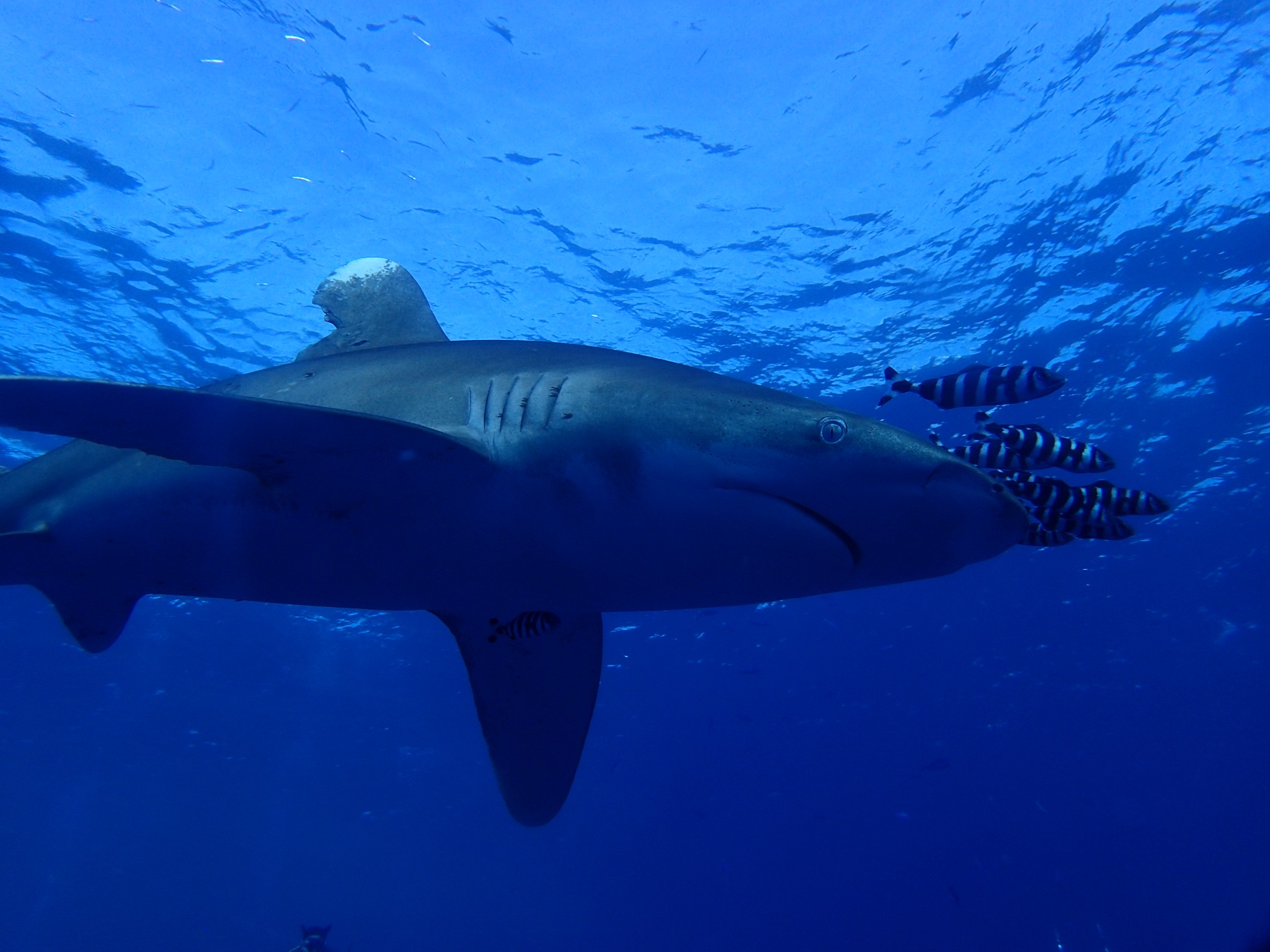
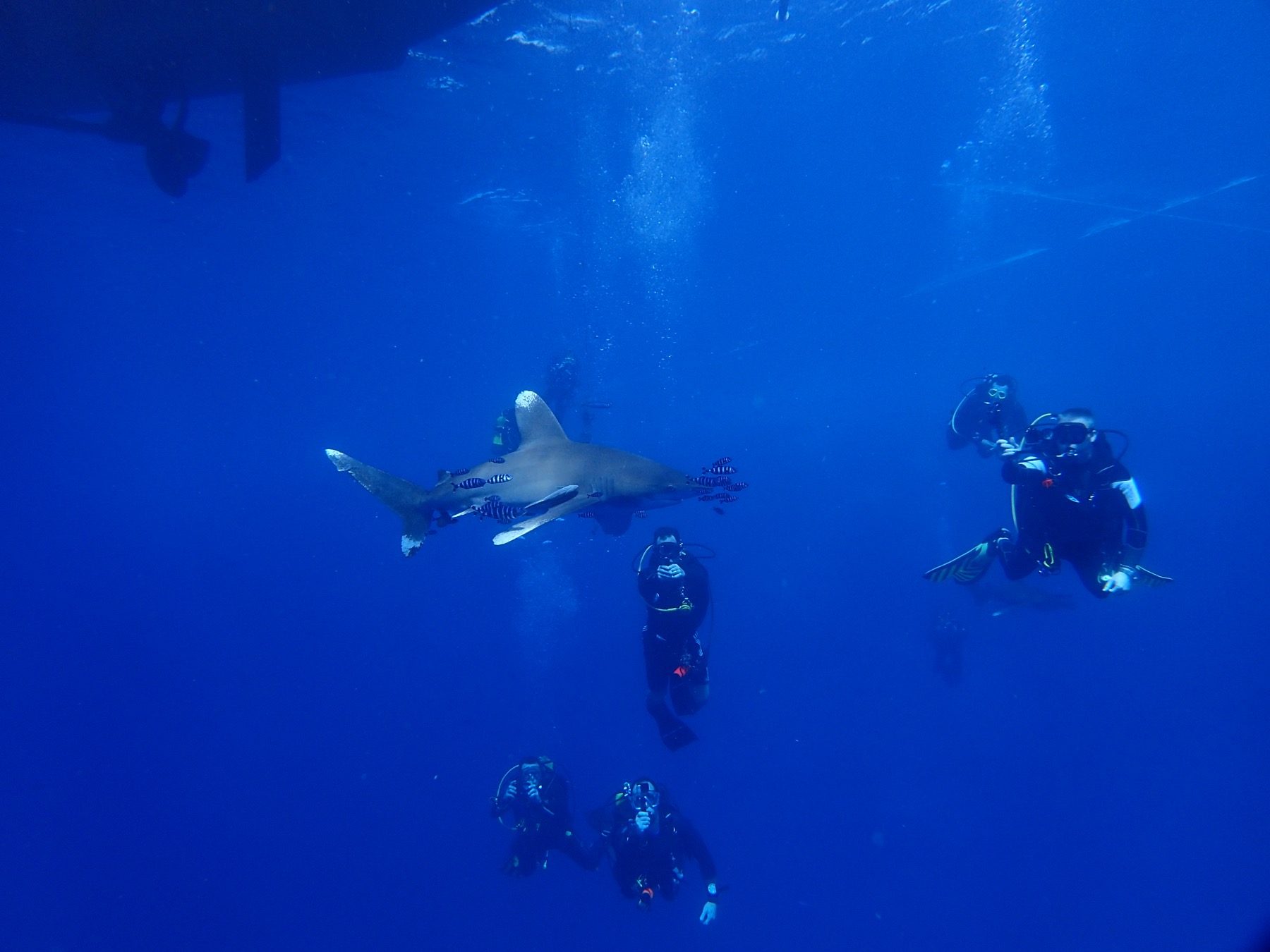
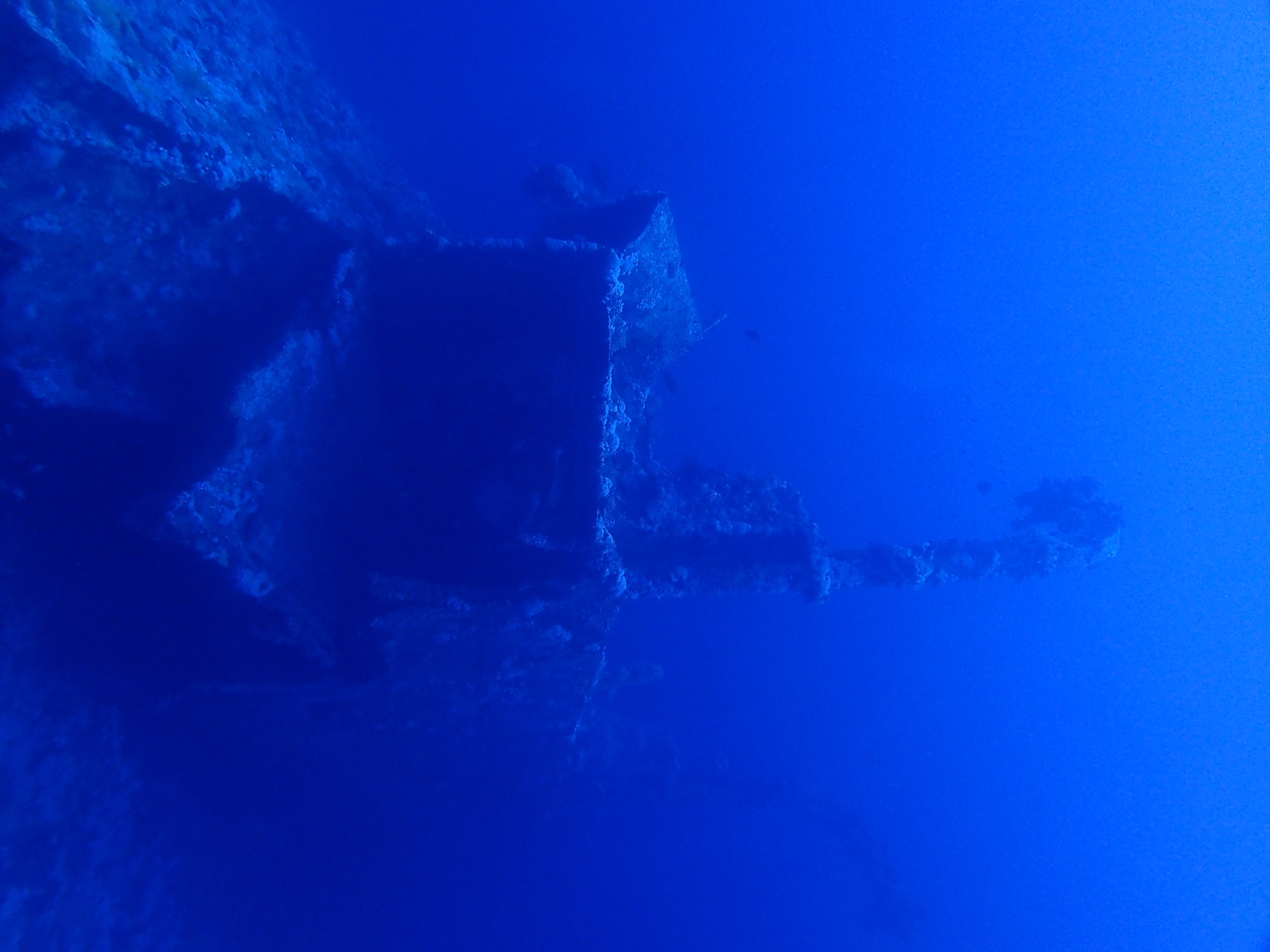
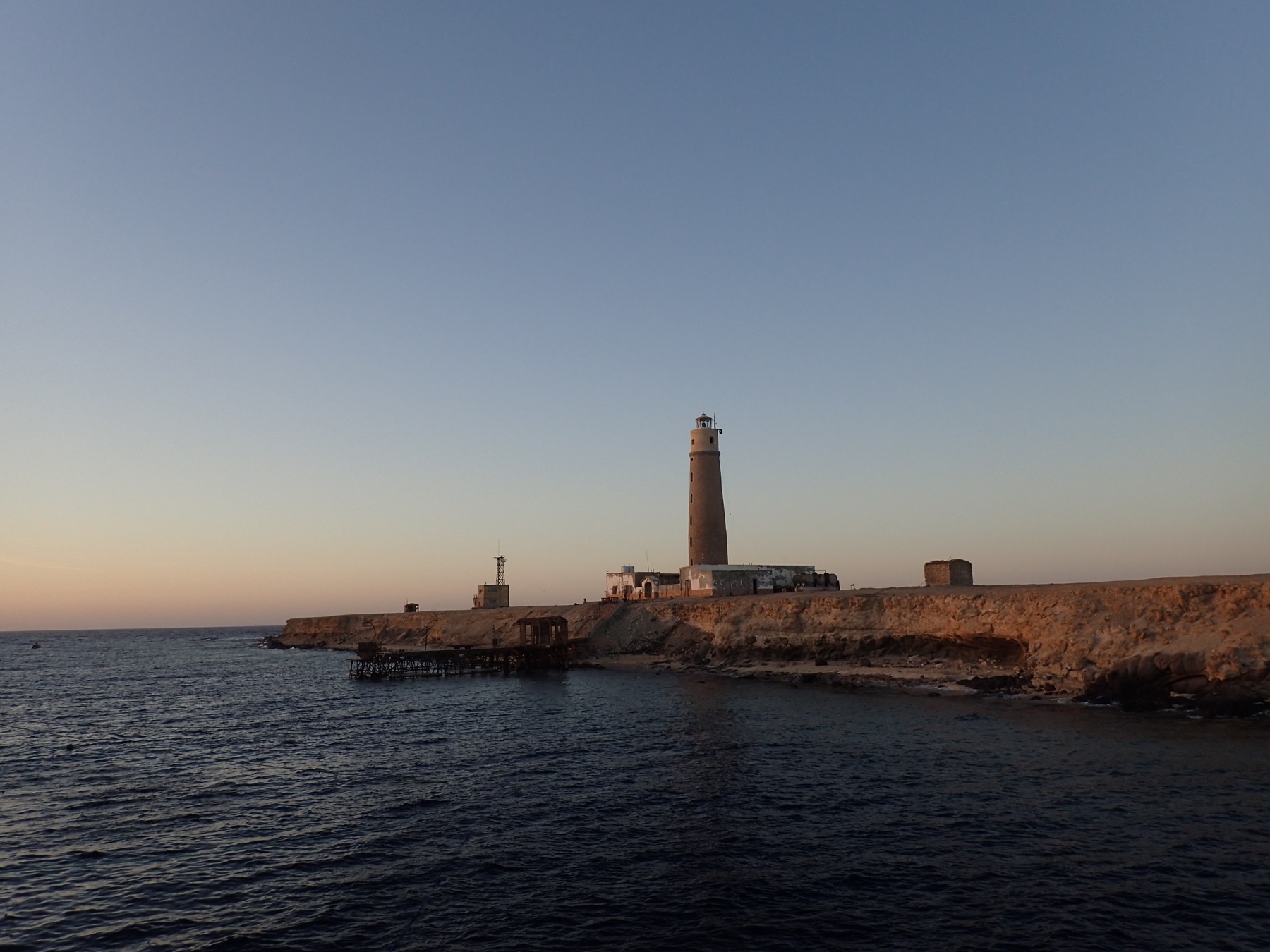
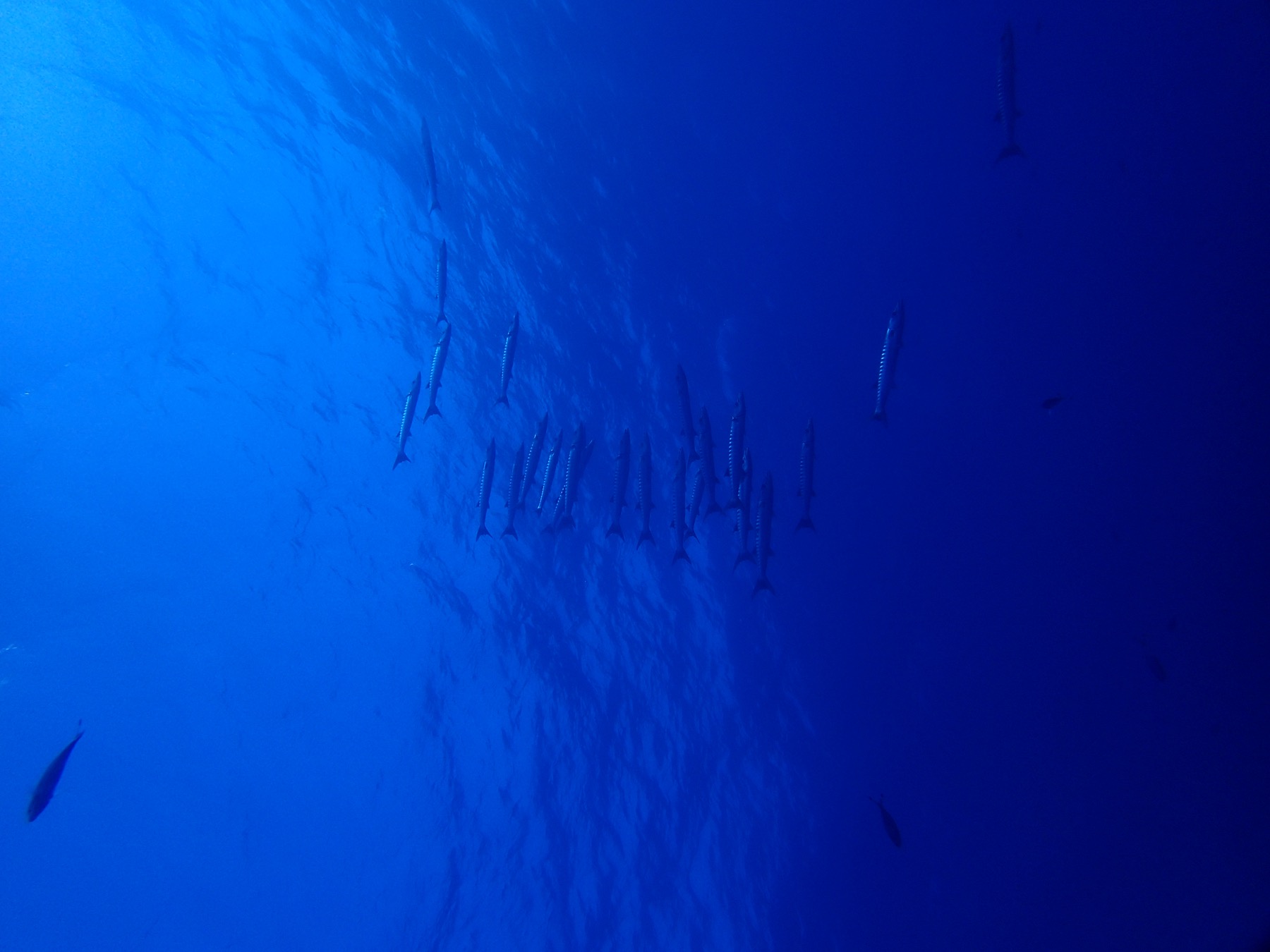
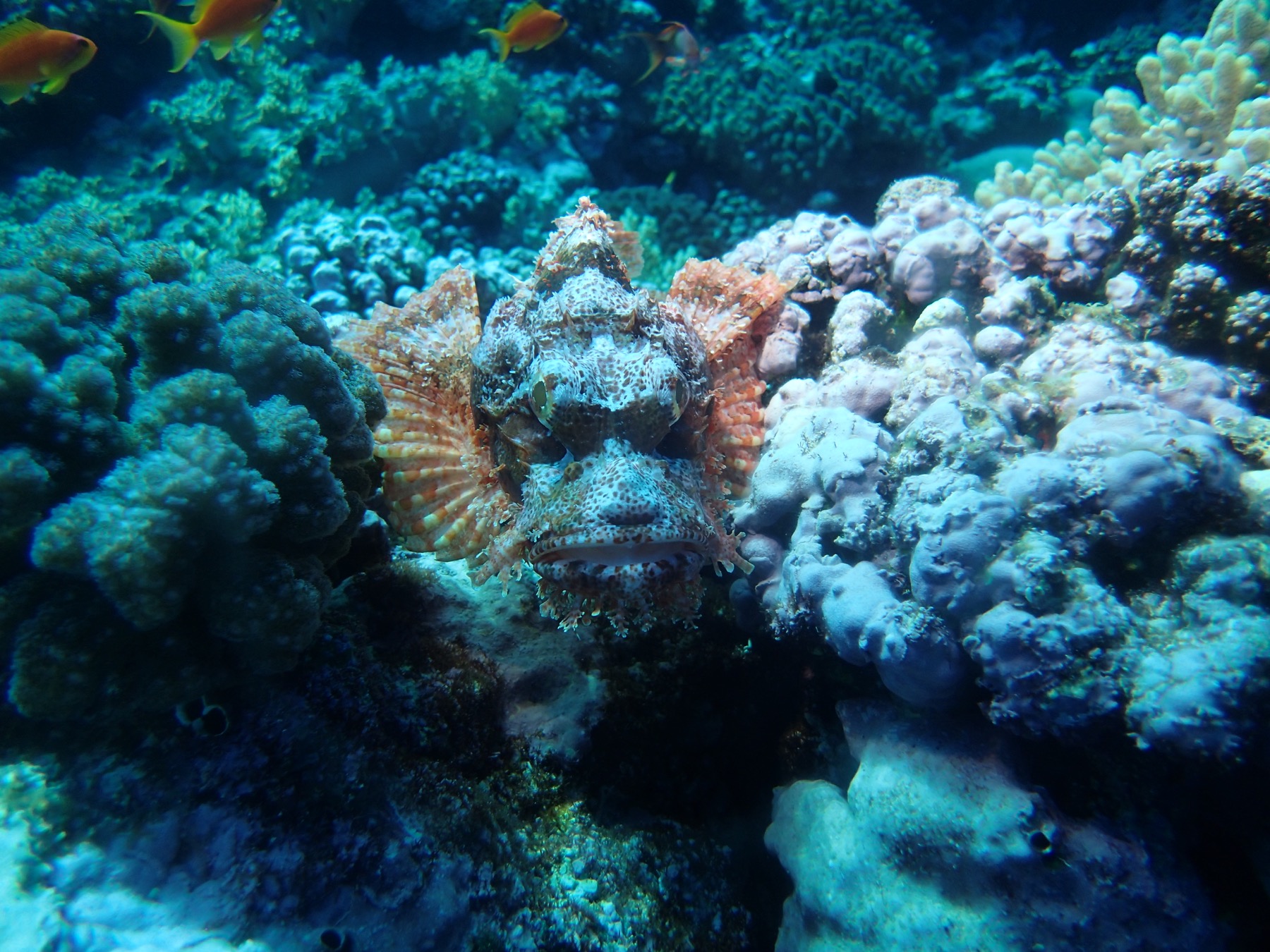
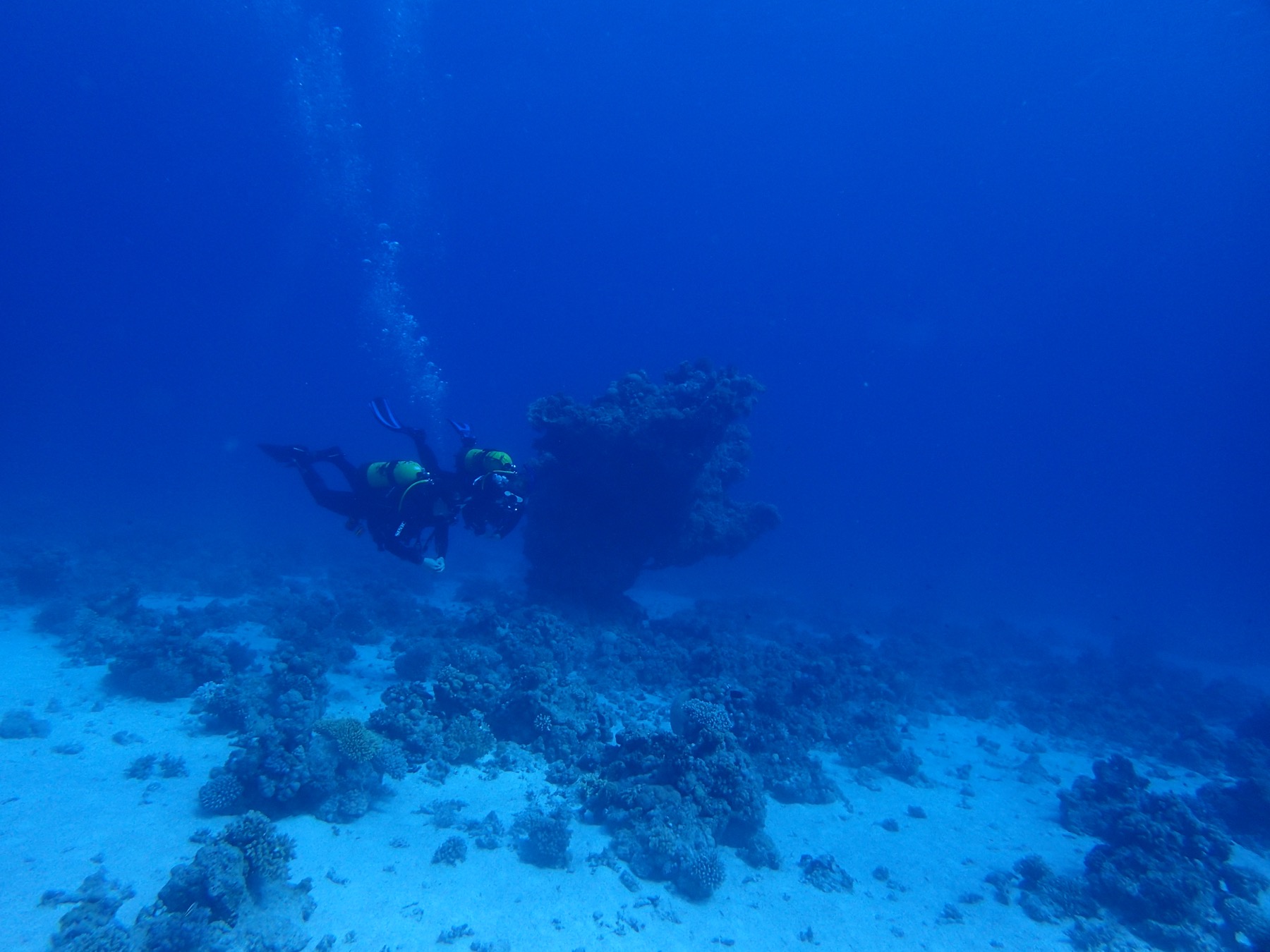
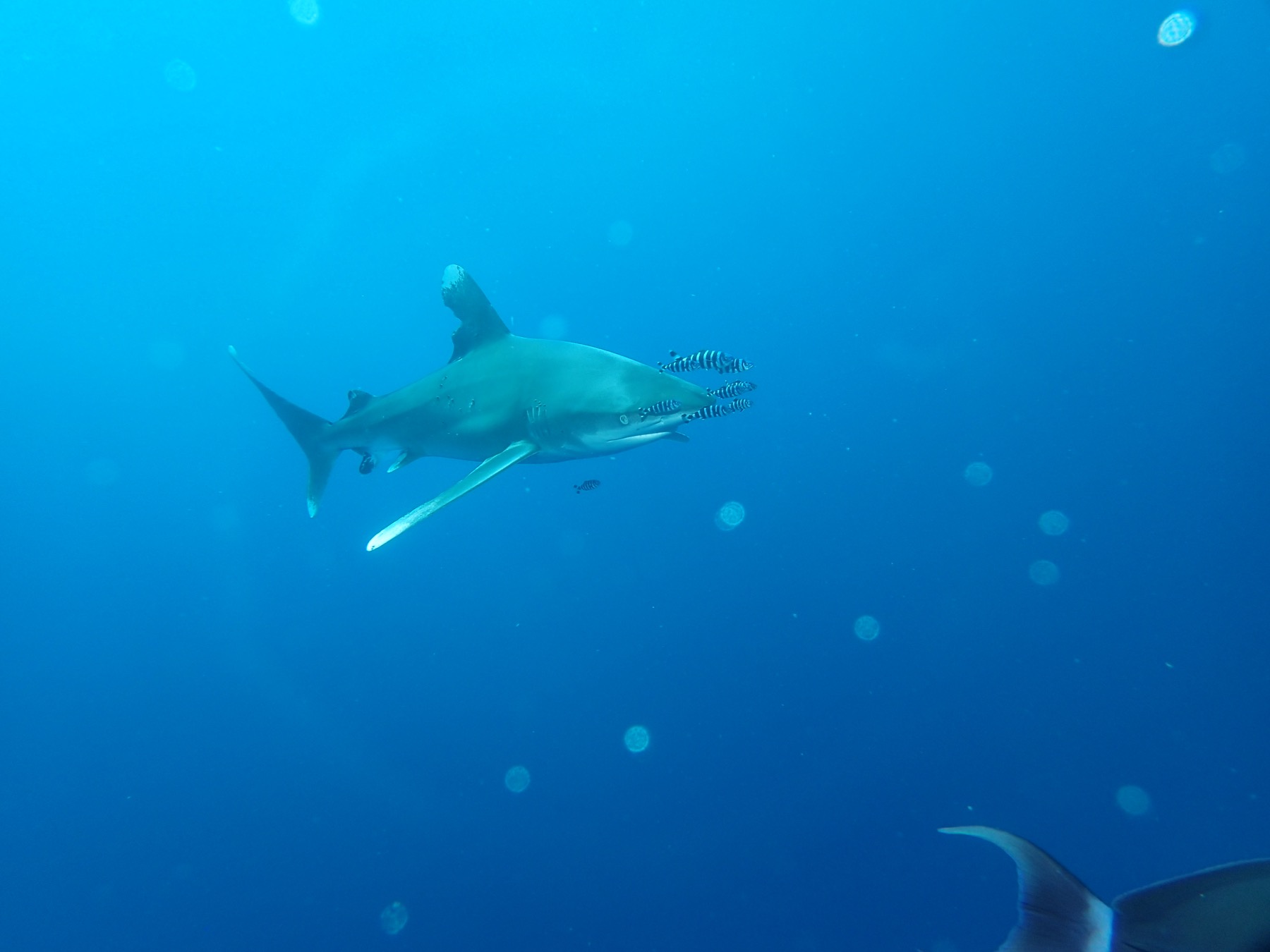
These photographs come from the MolaQuest personal archive and illustrate the southern Red Sea. They are not assigned to a particular resort or dive site unless the caption identifies one.
The southern Red Sea
Go south for reefs that feel truly oceanic.
Elphinstone is a long offshore reef with steep walls and exposed ends. The Brothers and Daedalus rise from deep water, where current, blue-water descents and demanding surface conditions are part of the attraction. Farther south, Fury Shoals, Hamata and the St John's reefs add caves, swim-throughs, coral gardens and more sheltered alternatives.
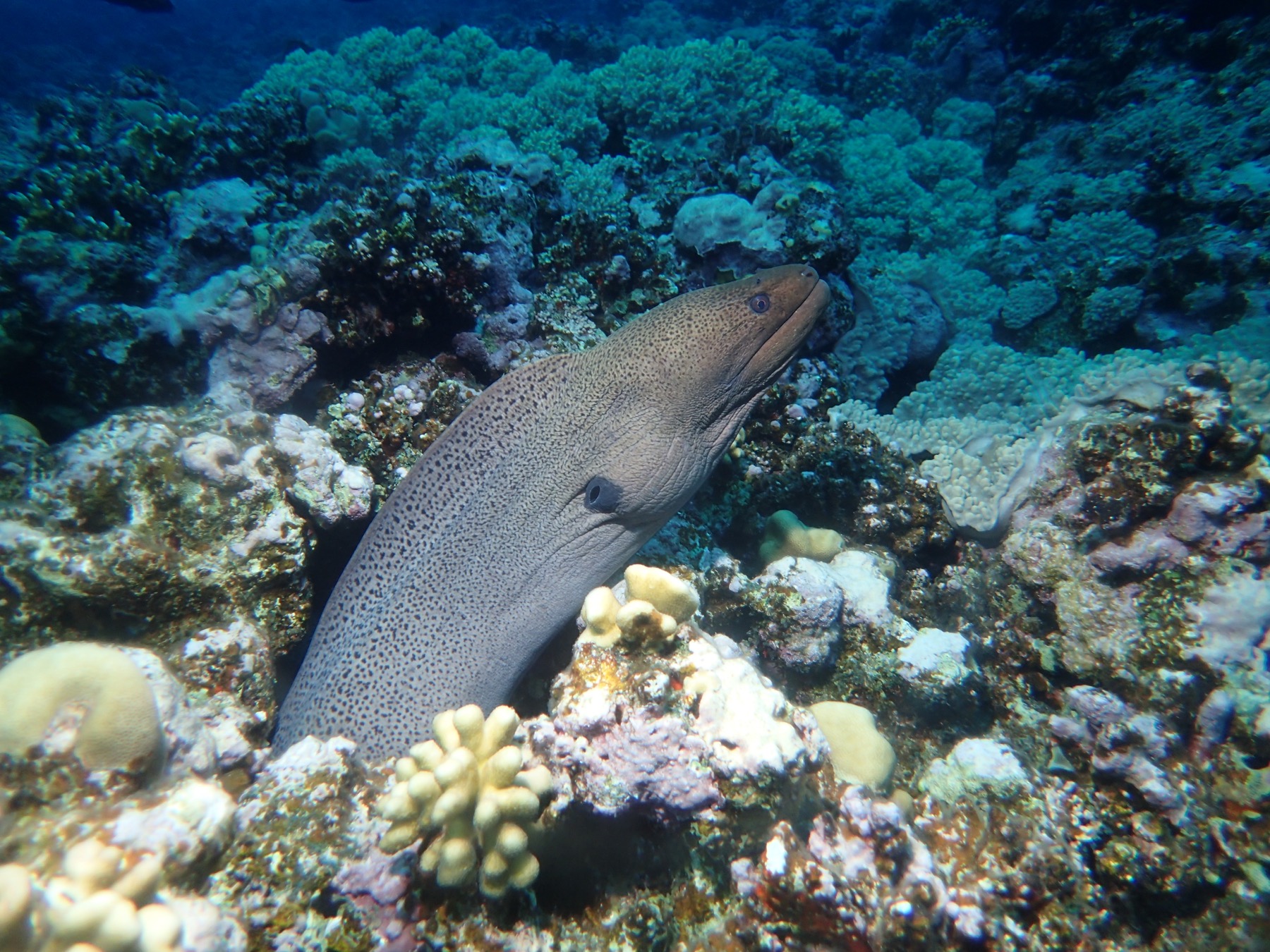
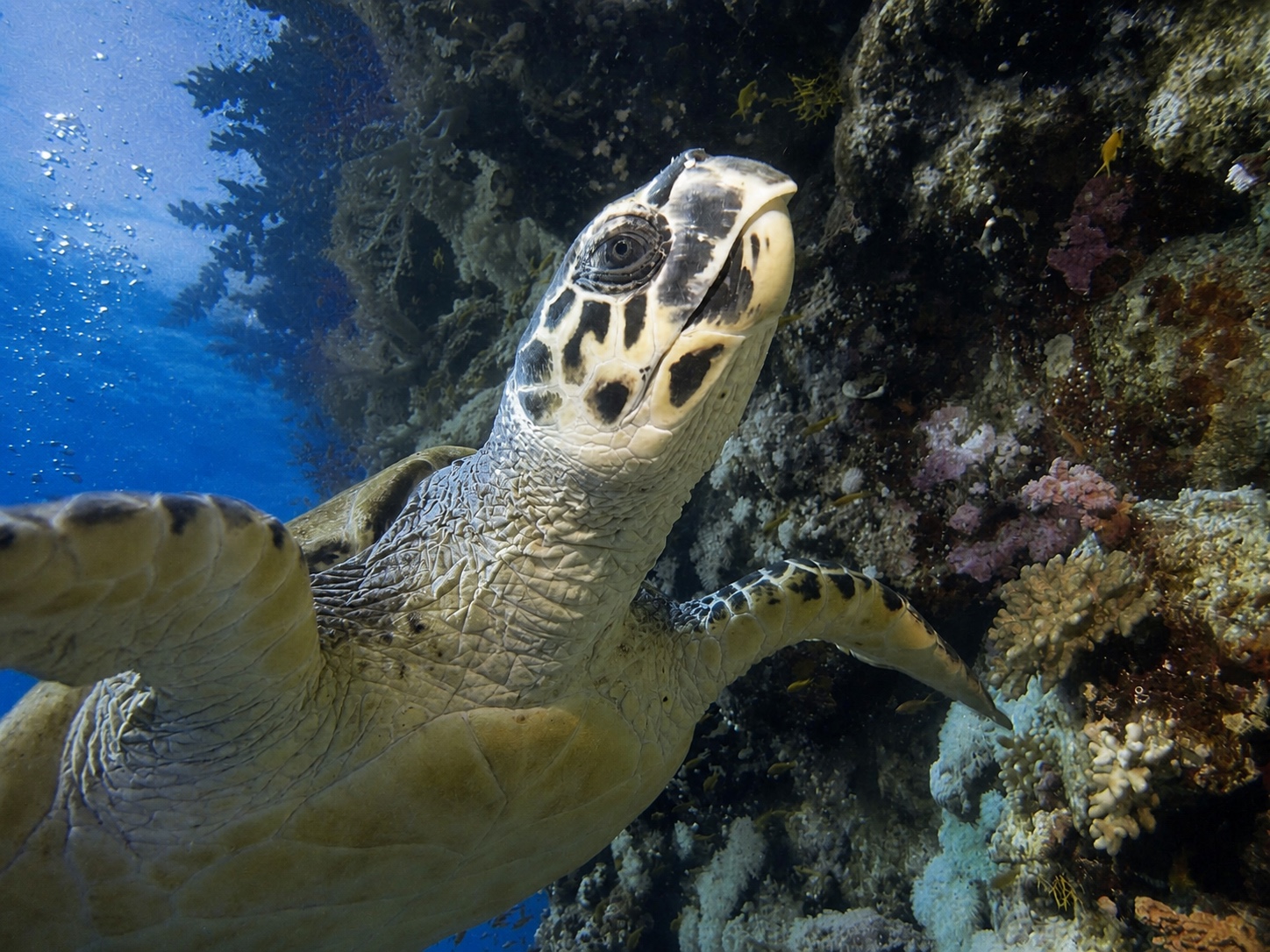
Possible encounters include grey reef sharks, hammerheads, oceanic whitetips, manta rays, dolphins, turtles, tuna and barracuda. Dugongs are associated with seagrass areas around the Marsa Alam region. None should be promised. Season, water movement, luck and the behaviour of the group all matter.
Choose the right coast base
From established resorts to the deep south.
El Gouna and Hurghada
The easiest choice for a broad resort holiday, a large operator base and day boats to local reefs. Northern wreck access is possible, but transfer time and the day's sea conditions matter.
Makadi Bay, Soma Bay and Safaga
Quieter resort zones south of Hurghada, with house reefs and day-boat diving. Safaga also places the Salem Express within the regional diving conversation.
El Quseir and Port Ghalib
Useful stepping stones toward the south, with a stronger emphasis on house reefs, shore access and quieter accommodation than central Hurghada.
Marsa Alam and Marsa Shagra
A large coastal region rather than one compact resort. It works well for reef-led stays, minibus shore dives and selected offshore day trips, including Elphinstone when conditions and experience allow.
Hamata and Wadi Lahami
A remote base for Fury Shoals and the southern reef systems. Expect longer transfers, fewer urban distractions and a trip centred on the sea.
Berenice and the southern tip
The far-southern tourism area opens access to remote reefs, but logistics, airport schedules and operator support need closer checking than in the established resort belt.
Liveaboards
The best way to connect distant reefs, with less room for error.
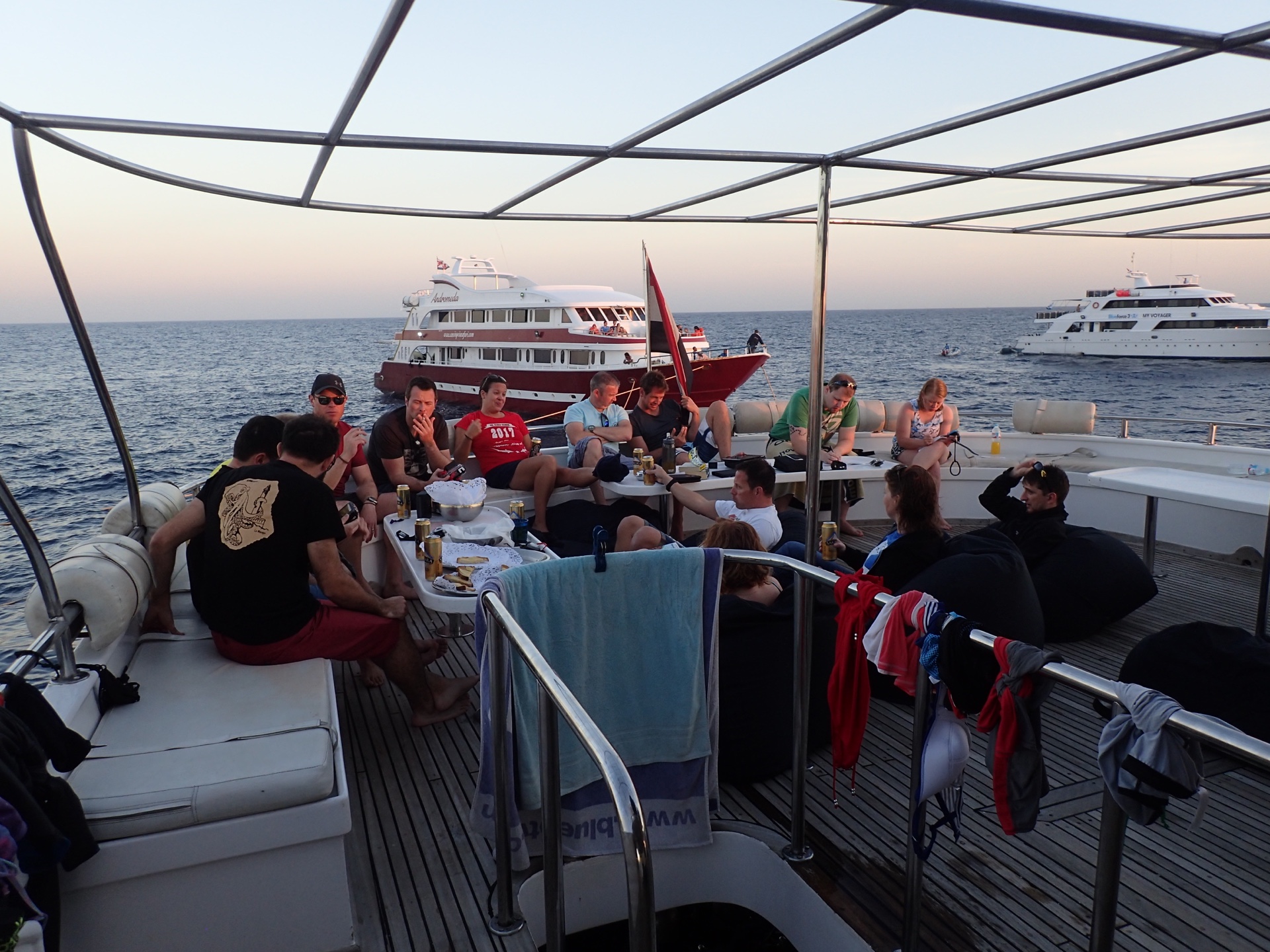
A northern wrecks and reefs itinerary may combine Thistlegorm, Abu Nuhas, Ras Mohammed and Tiran. Brothers, Daedalus and Elphinstone routes focus on exposed offshore reefs. Deep-south itineraries reach Fury Shoals, St John's and reefs beyond the practical range of ordinary day boats.
Before paying, compare the vessel's safety record, fire procedures, emergency oxygen, evacuation plan, guide ratios, cylinder options and insurance requirements. Ask whether the published route is guaranteed, because ports, weather, permits and security decisions can change it. A longer list of famous sites is not more important than a well-run boat.
Sinai and travel safety
An open resort is not the same as unrestricted travel.
Dahab is famous for accessible shore diving and a major freediving community. Ras Mohammed, south of Sharm el-Sheikh, is celebrated for reef walls, schooling fish and current-fed coral. These destinations sit within a peninsula whose security picture has changed repeatedly, and travel advice distinguishes established coastal areas from parts of North Sinai and northern South Sinai.
Check the latest government advice immediately before booking and again before departure. As of this guide's publication, the UK Foreign, Commonwealth and Development Office advises against travel to specified parts of Egypt and against all but essential travel in part of northern South Sinai, with stated coastal exceptions. Do not assume that a hotel accepting bookings, a road being open, or an Egyptian permit being available means every route carries the same risk. Follow official restrictions, use established transfers and avoid independent detours into advised-against areas.
Dahab's Blue Hole also demands honest diving judgement. Its reputation in freediving does not make deep scuba routes suitable for unqualified divers. Recreational limits, overhead training, gas planning and local conditions still apply.
Before you book
Questions that separate a good Red Sea trip from a risky one.
- Match the itinerary to certification, recent experience, current comfort and blue-water skills.
- Confirm whether wreck penetration is planned and what qualification the operator requires.
- Ask how the operator handles strong current, lost-diver procedures and delayed surface pickup.
- Check that insurance covers the planned depth, liveaboard activity and emergency evacuation.
- Read current government travel advice for every road, port and coastal region in the itinerary.
- Treat shark, dolphin and dugong encounters as possibilities, never guarantees.
- Choose reef-safe behaviour, excellent buoyancy and no-contact wildlife practices.
- Keep flexibility for weather, permits, security restrictions and route changes.
Choose a northern base
Sharm el-Sheikh, Dahab and Taba Heights.
 MolaQuest archive
Sharm el-Sheikh
Choose Sharm for the broadest mix of hotels, restaurants, established dive centres and day-boat itineraries. Ras Mohammed and the Straits of Tiran are the signature areas, while local sites suit check dives and shorter days. Sharm El-Sheikh International Airport is the main gateway.
 MolaQuest archive
Dahab
Dahab works best for divers who enjoy a smaller town, repeated shore dives and a slower routine. The Lighthouse is useful for training, while the Canyon and Blue Hole area demand experience appropriate to the planned route. The drive from Sharm airport is normally the simplest arrival.
 MolaQuest archive
Taba Heights
Taba is a low-key Gulf of Aqaba base with reef diving and dramatic mountain scenery. Flights, resort operations and border access can change, so verify that the chosen hotel, dive centre and transfer are operating before paying. Do not describe a resort as closed or safe on assumption alone.
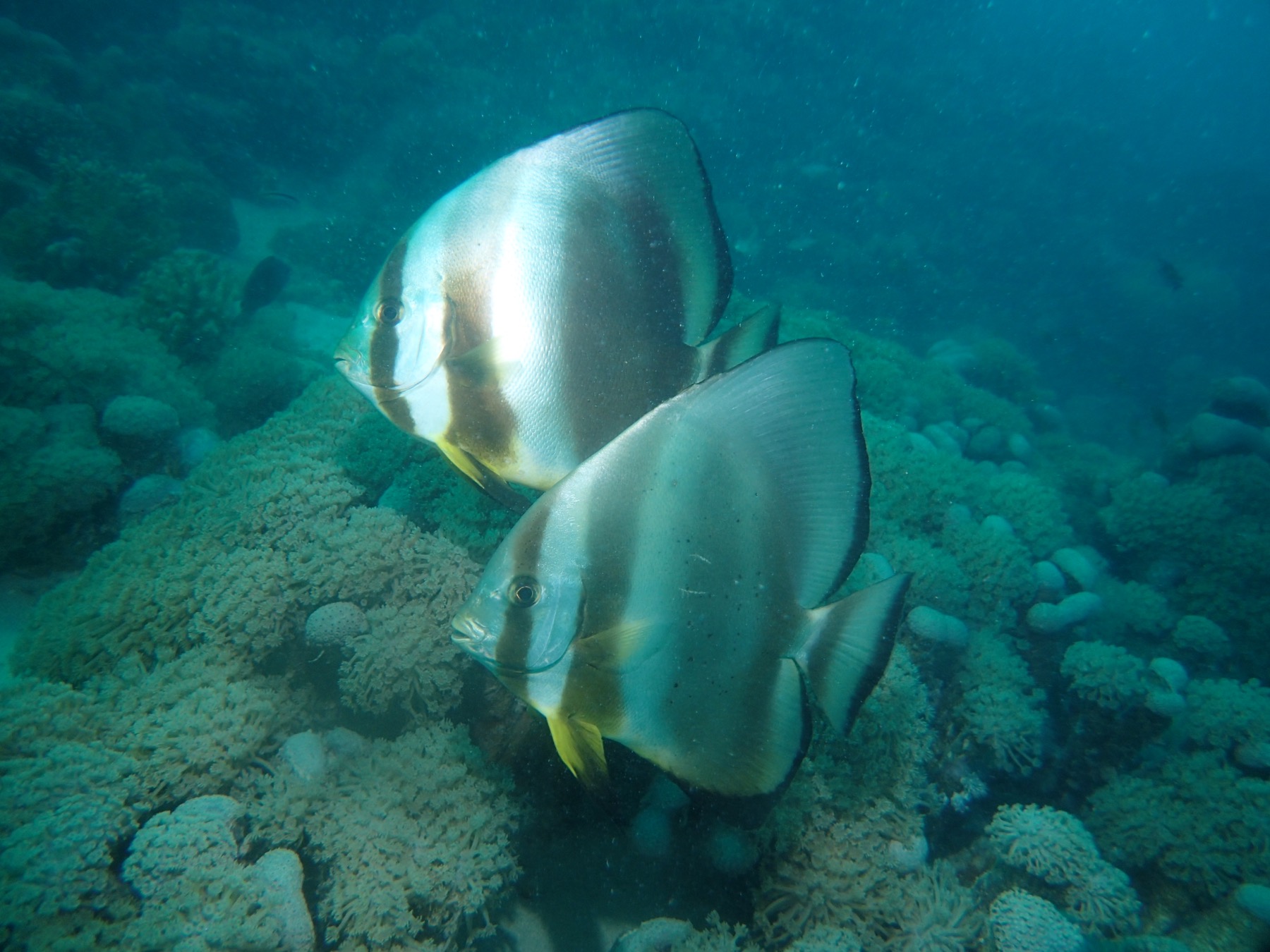
Many photographs in this section come from the MolaQuest personal Red Sea archive. They illustrate the northern region and were not necessarily taken at the specific resort shown.
Choose a southern base
From Hurghada to Berenice.
MolaQuest archiveEl Gouna
A planned lagoon resort north of Hurghada, suited to travellers who want marina life, restaurants and a polished resort setting alongside day-boat diving.
MolaQuest archiveHurghada
The largest and easiest mainland hub, with its own international airport, a very wide accommodation range, many dive operators and access to local reefs. It is also a practical starting point for Cairo or Luxor extensions.
MolaQuest archiveMakadi Bay and Soma Bay
Purpose-built resort areas with house-reef and day-boat options. They suit travellers who want most of the holiday contained within one hotel area, with less urban bustle than Hurghada.
MolaQuest archiveSafaga
A working port and dive base with offshore reefs and access to the Salem Express. The wreck is a maritime grave and should be approached with exceptional respect.
MolaQuest archiveEl Quseir
A historic coastal town with quieter hotels and strong shore-diving possibilities. It suits divers who value reef access and local character more than nightlife.
MolaQuest archivePort Ghalib
A marina development close to Marsa Alam International Airport and a major embarkation point for southern liveaboards. It is logistically convenient, but it is not the same place as Marsa Alam town.
MolaQuest archiveMarsa Alam and Marsa Shagra
A long coastal region offering house reefs, minibus shore dives and selected offshore trips. Abu Dabbab is associated with seagrass habitat, turtles and possible dugong encounters, while Elphinstone requires suitable conditions and experience.
MolaQuest archiveHamata, Wadi Lahami and Berenice
Remote southern bases for Fury Shoals and less-visited reef systems. Expect long road transfers, fewer services and a trip structured almost completely around diving. Berenice International Airport may help selected itineraries, but schedules must be checked before booking.
Many photographs in this section come from the MolaQuest personal Red Sea archive and illustrate the wider region. The photographs are used as a regional collection and are not assigned to a particular resort unless stated.
Getting there
Choose the airport for the coast you actually plan to dive.
North Sinai: use Sharm El-Sheikh International Airport for Sharm and Dahab. Taba International Airport exists, but services can be limited or seasonal, so many itineraries rely on a longer road transfer.
Mainland Red Sea: Hurghada International Airport serves El Gouna, Hurghada, Makadi Bay, Soma Bay and Safaga. Marsa Alam International Airport is closer to Port Ghalib and much of the Marsa Alam coast. Berenice International Airport may serve the far south when flights operate.
Via Cairo: Cairo International Airport has the widest international and domestic network. Domestic flights connect Cairo with Sharm, Hurghada and Marsa Alam, while road transfers are much longer. Check the current airline timetable rather than assuming a daily connection.
Money and entry
Currency, passports and visas.
Egypt's currency is the Egyptian pound, shown as EGP or LE. Cards are common in larger hotels and resorts, but cash remains useful for smaller purchases, tips and places where payment systems fail.
Visa rules depend on nationality, passport and itinerary. Many travellers require a tourist visa. Egypt operates an official e-Visa portal for eligible nationalities, and some passengers can obtain a visa on arrival. A limited South Sinai permission stamp can cover short resort-only stays for some nationalities, but it does not cover travel to Cairo, Hurghada or the rest of Egypt.
Check passport validity, visa eligibility and the exact route with the Egyptian authorities or your national travel advice before departure. The official e-Visa portal advises applying at least seven days before travel.
Egypt beyond diving
Ancient history, Cairo and the Nile Valley.


Egypt's recorded history reaches through the pharaonic kingdoms, periods of Persian, Greek and Roman rule, the growth of Coptic Christianity, successive Islamic dynasties, Ottoman rule, British influence and the modern republic. The Red Sea was never separate from that story, with ports and desert routes linking the Nile Valley to Arabia, Africa and the Indian Ocean.
Cairo: from Hurghada, the road journey is roughly 460 kilometres and commonly takes about six hours before stops and traffic. A domestic flight is much faster. From Sharm el-Sheikh, flying is normally more practical than the long road route. Allow several days for Giza, the Grand Egyptian Museum, historic Cairo and the city's scale.
Luxor, Valley of the Kings and Valley of the Queens: Hurghada is about 285 kilometres from Luxor, with the official tourism guide describing a journey of under five hours by road. Safaga is a little closer. From Marsa Alam the road journey is longer and should be arranged through a licensed operator. The royal valleys are on Luxor's West Bank, alongside temples and tomb complexes, so a rushed same-day excursion can be exhausting.
Closer to the coast: consider the Hurghada Museum, El Quseir's Ottoman fortress, the monasteries of St Anthony and St Paul, Wadi El Gemal National Park, desert landscapes and Bedouin cultural experiences offered by reputable operators.
Official Red Sea culture guide Official Luxor and Red Sea guide
Join the conversation
Share your Egyptian Red Sea experience
Tell other divers about a favourite site, a helpful local centre, conditions you encountered or a practical planning tip. Comments must remain respectful. Abusive or obscene messages will be removed, and repeat offenders may be blocked from commenting.
Be the first to share an idea about diving in Egyptian Red Sea.