Destination
Malta and Gozo: through the Blue Hole and into the deep
A complete guide to the limestone arches, clear Mediterranean walls and celebrated wrecks of Malta, Gozo and Comino, centred on Dwejra's Blue Hole.
13 min read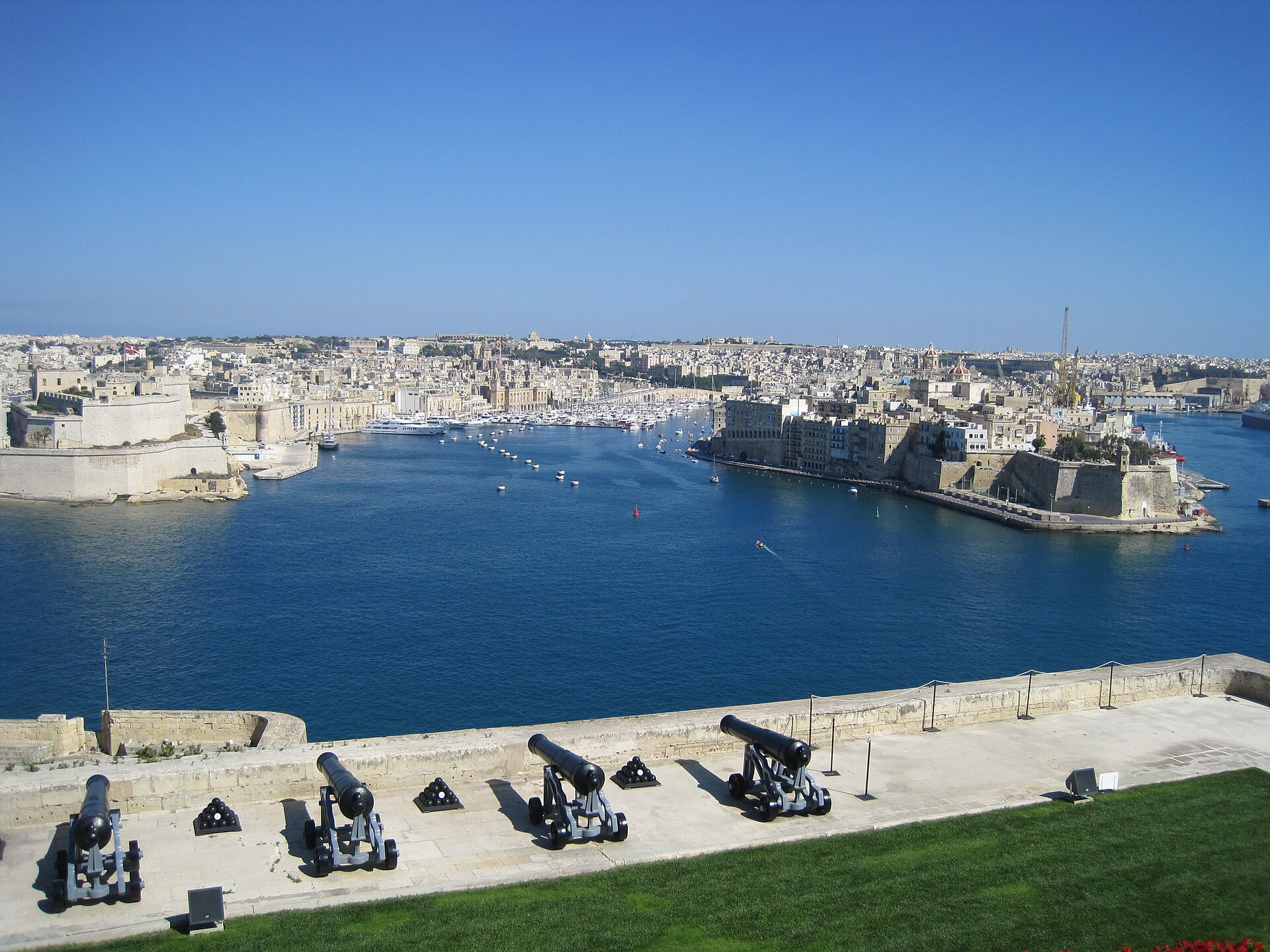
Signature diveBlue Hole, Dwejra
A limestone pool, arch, wall and cave system on Gozo.
Diving styleShore and boat
Rocky entries, wrecks, walls, caverns and clear Mediterranean water.
Main islandsMalta, Gozo and Comino
Each has a different balance of access, scenery and wreck diving.
Best approachPlan around conditions
Exposed western sites may close when swell makes entries unsafe.

The Blue Hole
Gozo's most dramatic doorway into the Mediterranean.
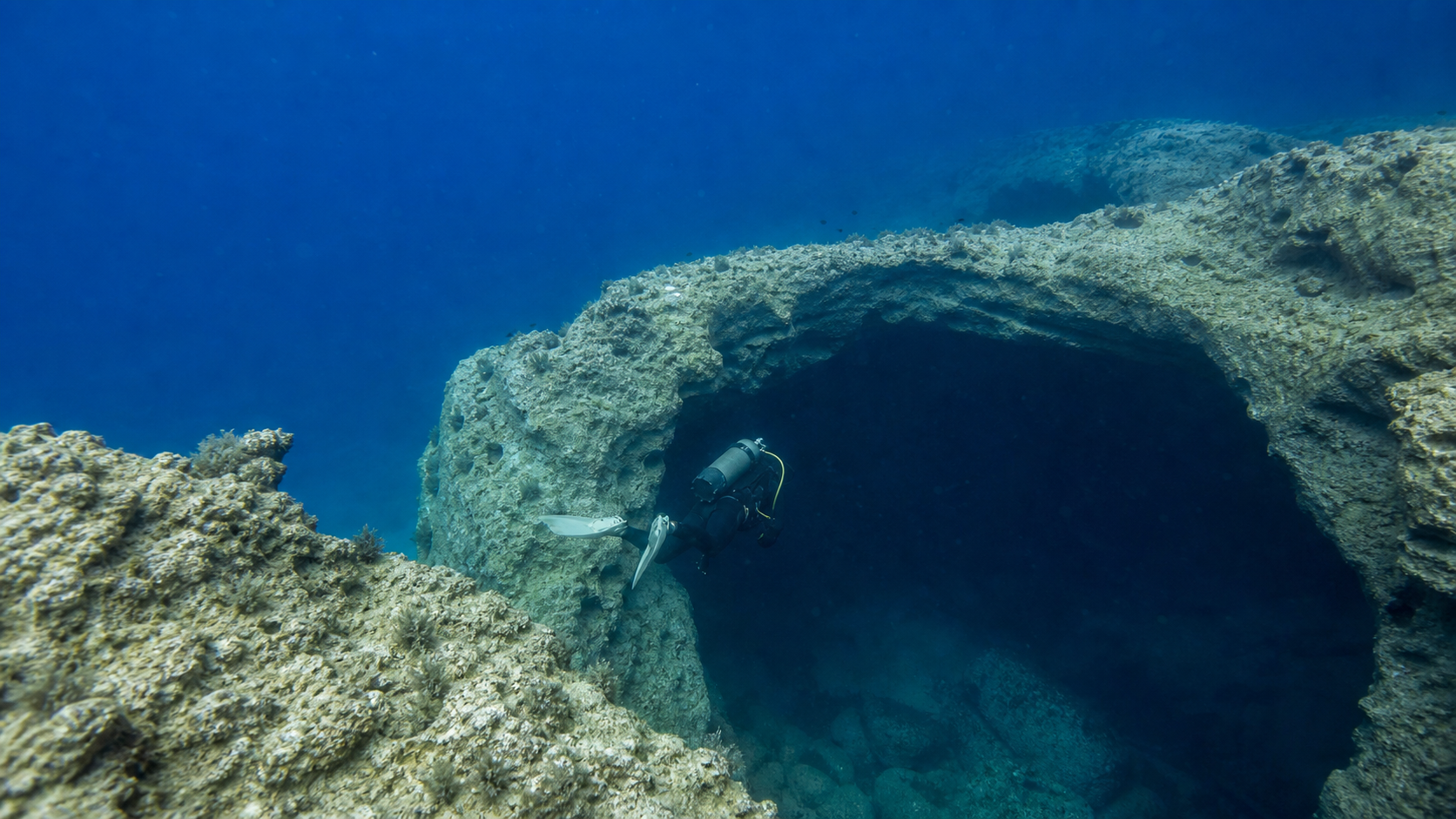
The Blue Hole is at Dwejra on Gozo, not on the main island of Malta. The sheltered limestone pool leads through a broad underwater arch into open water, where the reef falls away into deep blue. The route can include the outer wall, a cavern and the underwater remains created after the Azure Window collapsed in 2017.
The famous view should not disguise the practical challenge. Reaching the entry involves walking across uneven, sharp limestone in full equipment. The west-facing coast is exposed, and rough water can make the entry and exit unsuitable. A reputable local guide should decide whether the site is sensible for the day's conditions and the diver's experience.
Interactive dive-site map
Malta, Gozo and Comino on one map
The islands combine shore-access geology with purpose-sunk and historic wrecks. Select any labelled pin to open reputable information about that site or area.
Pins now remain fixed to their real latitude and longitude while the map moves. Confirm the exact entry, weather, current and required experience with the operating dive centre. Open the full regional map.
Beyond the Blue Hole
Three islands, with far more than one famous site.
Gozo adds the Inland Sea tunnel, Reqqa Point, Xatt l-Aħmar and wrecks such as the MV Karwela. Malta brings Ċirkewwa, the patrol boat P29 and the large Um El Faroud wreck off Wied iż-Żurrieq. Comino sits between the two main islands and adds boat-access reefs, caverns and the P31 wreck.
Many wrecks are deliberately placed dive attractions, while others have historic stories. Depth, overhead environments and penetration plans vary substantially. Staying outside a wreck is very different from entering it, so certification, gas planning, line procedures and guide competence must match the intended dive.
Plan the trip well
Malta rewards a flexible itinerary.
- Choose whether to base on Gozo for repeated access to Dwejra or on Malta for a wider mix of wrecks and nightlife.
- Wear sturdy boots for rocky shore approaches and ask how far equipment must be carried.
- Keep alternative sites available when swell closes the Blue Hole or another exposed entry.
- Confirm which wreck dives are scenic external tours and which involve penetration.
- Use a torch for caverns and wreck details, even when the open water is bright.
- Allow enough time between the final dive and flying, following your training and computer guidance.
Malta, Gozo and Comino dive guide
Choose the island, then choose the kind of dive.
Open each official guide for current site information. Entry conditions, maximum depth, visibility, boat traffic and access can change, so the operating dive centre's briefing remains decisive.
Malta
Um El Faroud
A 110-metre tanker resting upright off Wied iż-Żurrieq. The deck begins in the recreational depth range but the propeller and seabed are deeper. An external tour still requires good buoyancy, gas awareness and a plan suited to depth.
Open the dive-site guideMaltaP29 and Rozi at Ċirkewwa
Two popular wrecks near a shore-diving hub that also offers reef, arch and wall routes. Wreck penetration is a separate overhead activity and should never be assumed to be part of an ordinary guided dive.
Open the dive-site guideGozoMV Karwela
A purpose-sunk passenger ferry off Xatt l-Aħmar, famous for its staircase and upright profile. Its depth makes it an advanced dive, and any interior route demands the appropriate wreck training.
Open the dive-site guideGozoBlue Hole and Inland Sea
The Blue Hole opens through a limestone arch onto a wall. Nearby, the Inland Sea begins in a lagoon and passes through an approximately 80-metre natural tunnel before reaching open water.
Open the dive-site guideGozoReqqa Point and Xatt l-Aħmar
Reqqa brings exposed walls and blue water. Xatt l-Aħmar combines shore access, reef scenery and the Karwela, Cominoland and Xlendi wreck area.
Open the dive-site guideCominoP31 and Lantern Point
The P31 was placed as a dive attraction and is generally shallower than Malta's best-known deep wrecks. Lantern Point adds walls, caverns and boat-based access around Comino.
Open the dive-site guide
Getting there
One airport, then choose Malta or Gozo.
Malta International Airport is the country's main airport. It is on the island of Malta, near Luqa, with buses, taxis, transfers and car hire connecting the terminal to the main resort areas.
For Gozo, continue north to Ċirkewwa and take the Gozo Channel ferry to Mġarr. The crossing takes about 25 minutes and runs daily, but the road transfer to the ferry must also be included in the arrival plan. A separate fast ferry may operate between Valletta and Gozo, so check the current timetable rather than relying on an old schedule.
Comino has no airport and is normally visited by boat from Malta or Gozo. Divers should arrange the actual dive journey with a centre rather than treating a sightseeing boat as equivalent transport.
When to dive
Warmest water or quieter sites.
Malta can be dived throughout the year, but the experience changes. Summer brings the warmest sea and the busiest coast. Spring offers mild sightseeing weather and fewer visitors, though the sea is still warming. September and October often combine warm water with fewer peak-season crowds.
Long-term local climate figures place average sea temperature near 14.5°C in winter, around 18.4°C in May, 21.1°C in June, 25.6°C in August and 22.2°C in October. Depth, wind and thermoclines can make a dive feel colder than the surface figure suggests.
Wind direction matters as much as temperature. A western site such as Dwejra may be unsuitable while a site on the other side of an island remains protected. Build flexibility into the itinerary and let the dive centre choose the coast for the day's sea state.
Malta climate and sea temperatures Official Gozo diving guide
Money and entry
Euro currency and Schengen rules.
Malta uses the euro. Cards are widely accepted, but some cash is useful for small purchases and local transport. Malta is part of the Schengen area, so passport and visa requirements depend on nationality, residence status and the length and purpose of the visit.
Travellers should check official Maltese or national government guidance before booking. Do not assume that a visa or permission valid for another journey automatically covers Malta.
Maltese and English are official languages, which makes dive briefings and independent travel straightforward for many visitors.
Official Malta visa information Official Malta visitor information
Beyond the water
A small country with a very long story.
Malta uses the euro. Maltese and English are official languages, and English is widely used throughout the visitor economy. The islands carry more than 7,000 years of history, from prehistoric temples and Phoenician and Roman connections to the Knights of St John, French occupation and the British period.
Valletta is a UNESCO World Heritage city built after the Great Siege of 1565. It is compact enough for a rewarding walking day between dives, with fortifications, harbour views, St John's Co-Cathedral and museums. The Three Cities across the Grand Harbour add maritime history, while Mdina offers a quieter medieval contrast.
Rest-day ideas
What to do when the cylinders stay full.
- Walk Valletta and the Upper Barrakka Gardens, then cross the Grand Harbour by ferry or traditional boat.
- Visit the Ħal Saflieni Hypogeum or one of the megalithic temple complexes, booking ahead where timed access applies.
- Spend a day in Mdina and Rabat, or visit Fort St Angelo and the waterfront of Birgu.
- On Gozo, combine Victoria's Citadel with Dwejra, salt pans and village squares.
- Keep Comino low-impact, respect access controls and avoid treating the Blue Lagoon as the island's only attraction.
What to eat
Food shaped by the Mediterranean and Malta's history.
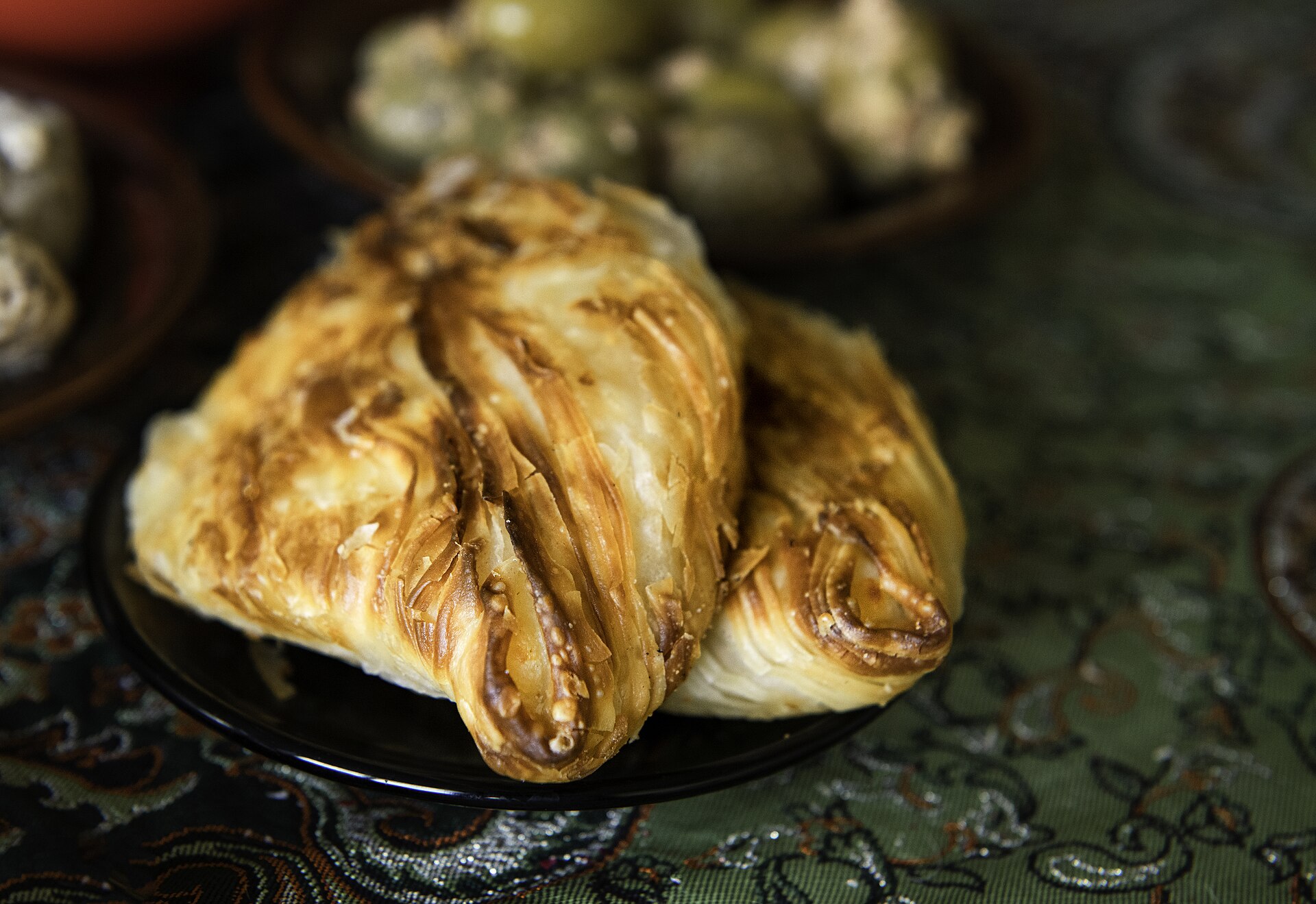
Start simply with pastizzi, crisp pastries commonly filled with ricotta or peas, and look for ftira, Malta's ring-shaped sourdough bread, or the thicker Gozitan ftira served with local toppings. Rabbit stew, lampuki when in season, octopus, seafood and vegetable dishes reflect island life and the Mediterranean.
Local ġbejna cheeselets, olives, capers, honey and Maltese bread make an easy post-dive meal. Leave room for imqaret, date-filled pastries with North African influence. Maltese cooking carries especially strong Sicilian connections, alongside Arab and wider Mediterranean influences.
Join the conversation
Share your Malta and Gozo experience
Tell other divers about a favourite site, a helpful local centre, conditions you encountered or a practical planning tip. Comments must remain respectful. Abusive or obscene messages will be removed, and repeat offenders may be blocked from commenting.
Be the first to share an idea about diving in Malta and Gozo.