MolaQuest journal · Egypt
Northern Red Sea, 2005: Discovering Liveaboards
Two journeys aboard MV Oyster introduced me to wrecks, life at sea and the simple pleasure of travelling alone among people who wanted to talk about diving as much as I did.
By 2005, scuba diving had become a bit of an obsession.
I was reading everything I could find about it: equipment, regulators, dive computers, techniques and, most importantly, where I could go next.
There was one practical problem. My then other half didn't really share my enthusiasm for diving, and I had to work out how I could travel somewhere on my own, spend most of the holiday underwater and still enjoy the social side of being away.
That's when I discovered liveaboards.
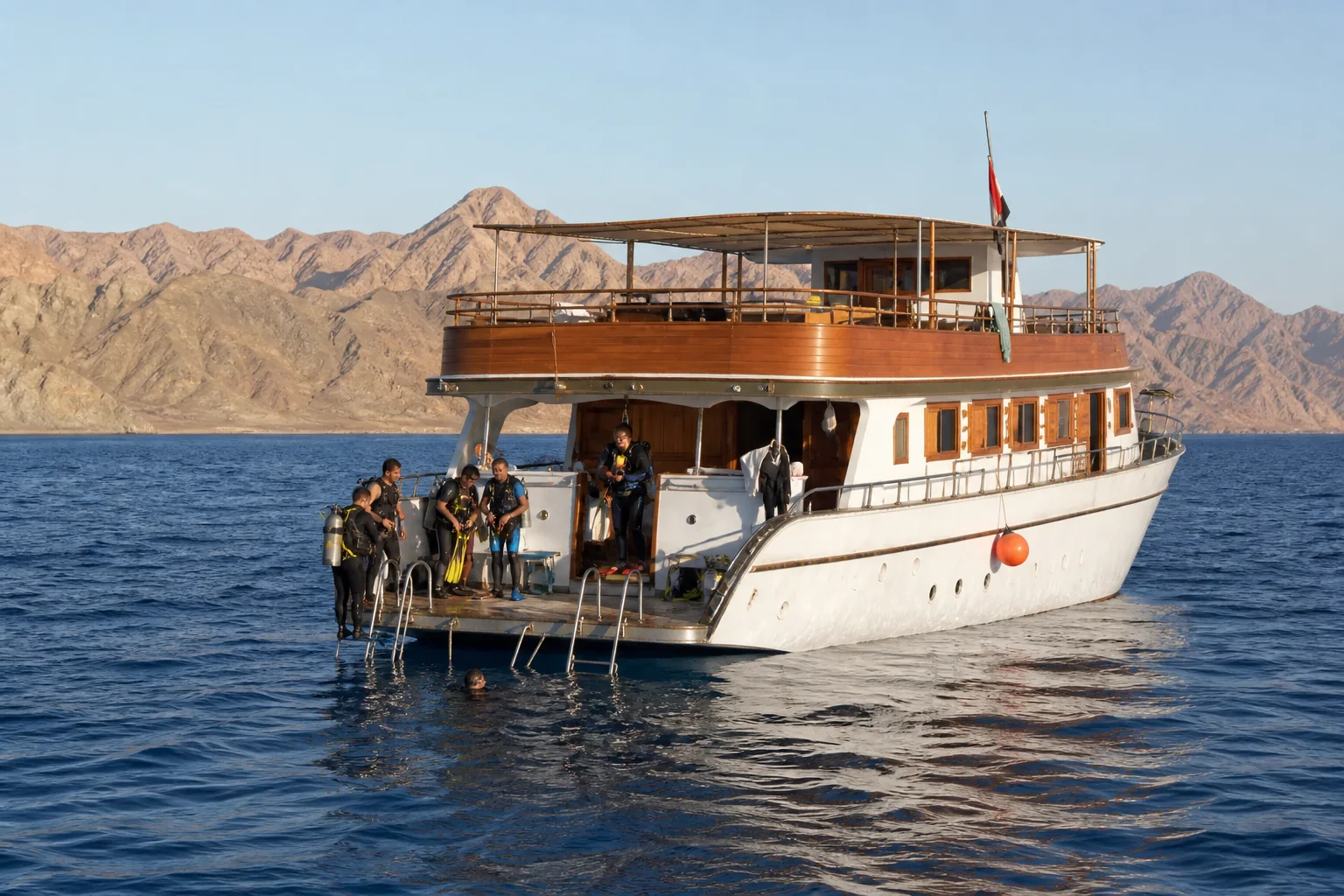
For anyone who loves diving but has never considered one, I still think they're one of the best inventions in the world. The routine is wonderfully simple. You wake up, have a small breakfast and go diving. You come back and have a proper breakfast, then dive again. Back for lunch, another dive in the afternoon and, if there's a night dive and you still have the energy, you can squeeze that in before dinner.
Then you sleep and do it all again the following morning.
Three or four dives a day, every day, for a week. If you really love diving, it's difficult to find much wrong with that arrangement.
It also turned out to be the perfect solution for travelling alone. You normally share a cabin with another diver, which immediately gives you someone to talk to. Then you have breakfast with everyone, dive together, sit around between dives together and have dinner together. By the end of the first day, you know most of the people on the boat.
There's very little chance of feeling lonely. In fact, the problem isn't finding somebody to talk to. It's finding the time to read all those books you optimistically brought with you for the quiet moments that never seem to happen.
In April 2005, I found a great deal on a small liveaboard called the MV Orchid. It carried only 12 divers, which sounded ideal, and I chose a Northern Red Sea itinerary.
At that stage I was still relatively inexperienced, and the more challenging southern Red Sea routes were beyond my qualifications and experience. The northern route was supposed to be the easier option, and for where I was in my diving at the time, it was perfect.
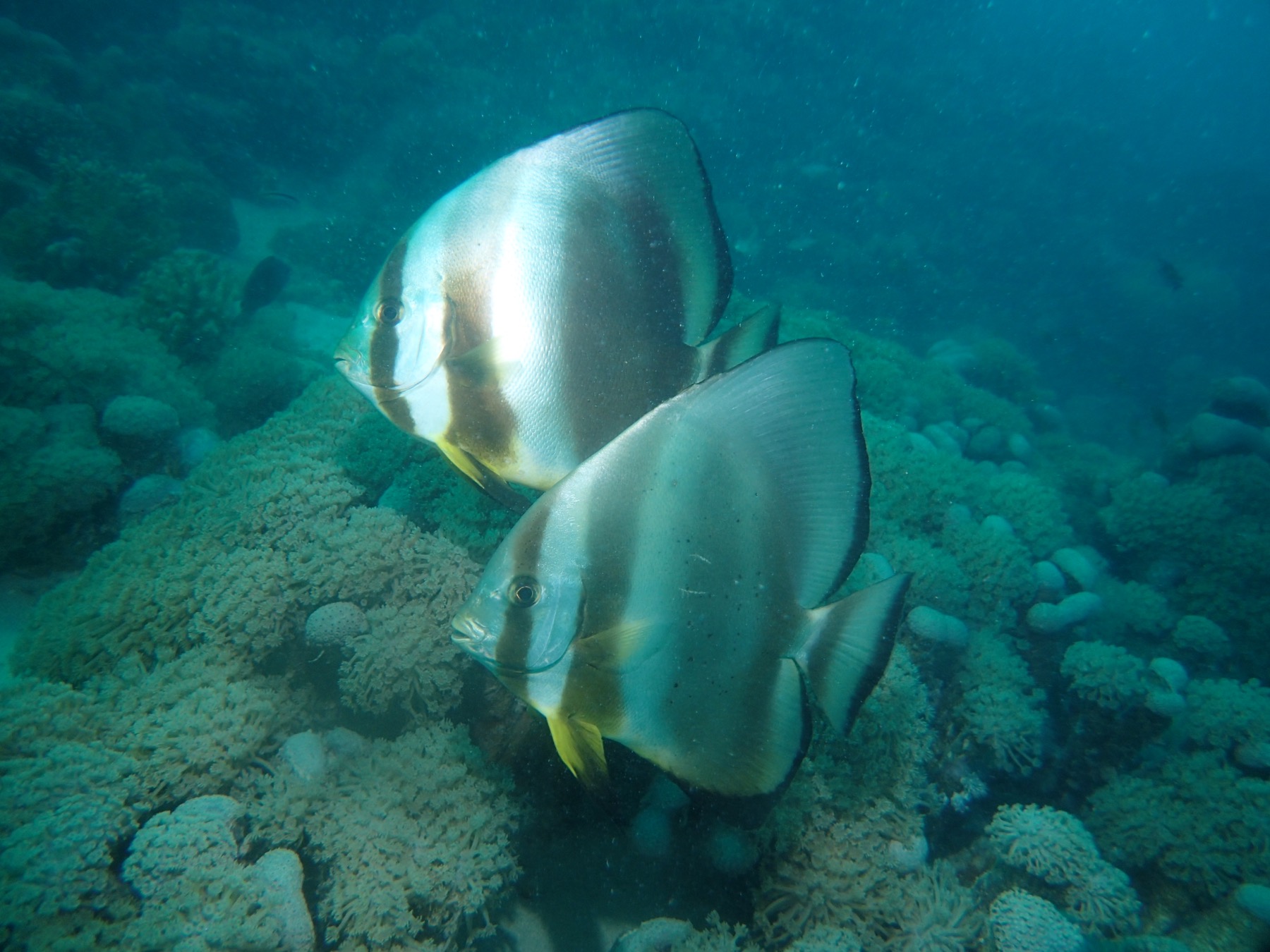
We dived the reefs around Ras Mohammed, with excellent coral, huge numbers of fish and the sort of visibility I'd come to associate with the Red Sea. But what really made this particular itinerary different for me were the wrecks.
Until then, most of my diving had been about reefs and marine life. Wreck diving added something else. You weren't only looking at something underwater; there was a story attached to how it got there.
We dived several of the best-known wrecks in the northern Red Sea.
The Giannis D was a Greek cargo ship that hit the reef at Abu Nuhas in 1983. Its stern sits at a dramatic angle and parts of the wreck, including the engine room, can be explored.
The Dunraven was much older, a British steam and sail ship that sank in 1876 near what is now Ras Mohammed. It lies upside down, with its boilers and machinery still visible inside the hull.
At Shag Rock we dived the Kingston, sometimes referred to as the Sarah H, another 19th-century British steamship. It lies relatively shallow and over the years has effectively become part of the reef, covered in coral and surrounded by marine life.
The wreck everyone particularly wanted to dive, though, was the SS Thistlegorm.
The Thistlegorm was a British merchant ship sunk by German bombers in 1941 during the Second World War. What makes the wreck so fascinating is how much of its cargo remains. There are trucks, motorcycles, ammunition and other military supplies inside, as well as locomotives lying on the seabed near the wreck.
It's an extraordinary place to explore, although it's hardly a secret. Dive boats arrive from across the northern Red Sea and there can be a lot of divers in the water at the same time.
During that first trip, a night dive on the Thistlegorm was planned. Beforehand, our guide pulled me aside and explained that he thought I should sit it out.
He wasn't being dramatic about it. He simply explained that diving a large wreck at night added another level of complexity. There could be current, and visibility and orientation would obviously be different in darkness. He felt that with my level of experience I would be better off waiting.
He wasn't going to stop me from doing it, but his recommendation was pretty clear.
Initially, I was disappointed. Nobody particularly enjoys being told they're not quite ready for something, especially when everyone else is getting ready to do it.
Then I thought about what had happened in Tunisia only a short time earlier.
There I'd entered the water with very little air because an instructor had told me it would be fine. I'd accepted his judgement because he was the professional, even though I hadn't been comfortable with it.
Now I had another professional doing almost the opposite. He wasn't trying to squeeze another dive into the schedule or prove anything. He'd looked at my experience, looked at the dive and decided that I'd be better off not doing it.
This time I listened.
I stayed on the boat while the others did the night dive, and although I would obviously rather have been underwater with them, I didn't spend the rest of the week regretting it.
Quite the opposite. I loved the trip.
I loved the diving, the routine on the boat and particularly the social side of a liveaboard. Travelling without my partner hadn't been a problem at all. Within hours of boarding, I was surrounded by people who wanted to talk about exactly the same thing I wanted to talk about.
I enjoyed it so much that I did something that probably seemed slightly ridiculous to anyone who wasn't interested in diving.
Two months later, in June, I went back.
Same boat, same general area and many of the same dive sites.
And I loved it just as much the second time.
This time there were only five divers on the MV Orchid, which made the whole experience even better. On one dive we arrived at the Thistlegorm and somehow had the wreck to ourselves.
Anyone who has dived the Thistlegorm will know how unusual that is. A site that can have groups of divers appearing from every direction suddenly had just five of us swimming around it.
No procession through the wreck, no other groups arriving.
Just five divers and the Thistlegorm.
It remains one of my strongest memories of diving in the Red Sea.
There was also something I'd missed in April that I still wanted to do: the night dive.
I'd spent another couple of months gaining experience and was more comfortable underwater. This time, when the opportunity came to dive the Thistlegorm at night, I did it.
Looking back, I'm glad I waited.
Two months wasn't exactly a lifetime, and I certainly hadn't suddenly become an expert diver, but I was better than I'd been in April. More importantly, I was more comfortable.
The guide on that first trip hadn't taken anything away from me. The Thistlegorm was still there two months later.
Those two trips changed the way I thought about diving holidays as well. I no longer needed somebody at home who wanted to go diving as much as I did. I could book a place on a liveaboard by myself, turn up knowing nobody and, within a day, be part of a group.
Eat. Dive. Eat. Dive. Eat. Dive. Talk about diving. Sleep.
Then do it all again.
I'd found my kind of holiday.
The boat was the MV Orchid, a small liveaboard with space for only 12 divers, operated at the time by Flowers of Sinai. I ended up doing both of those trips on the same boat, first in April and then again in June.
I have often wondered what eventually happened to the Orchid. Boats come and go, operators change and more than twenty years have passed since those trips. But whenever I think about my first liveaboard experience, it is still the Orchid I picture.
It was the boat where I discovered that travelling alone to go diving wasn't really travelling alone at all.
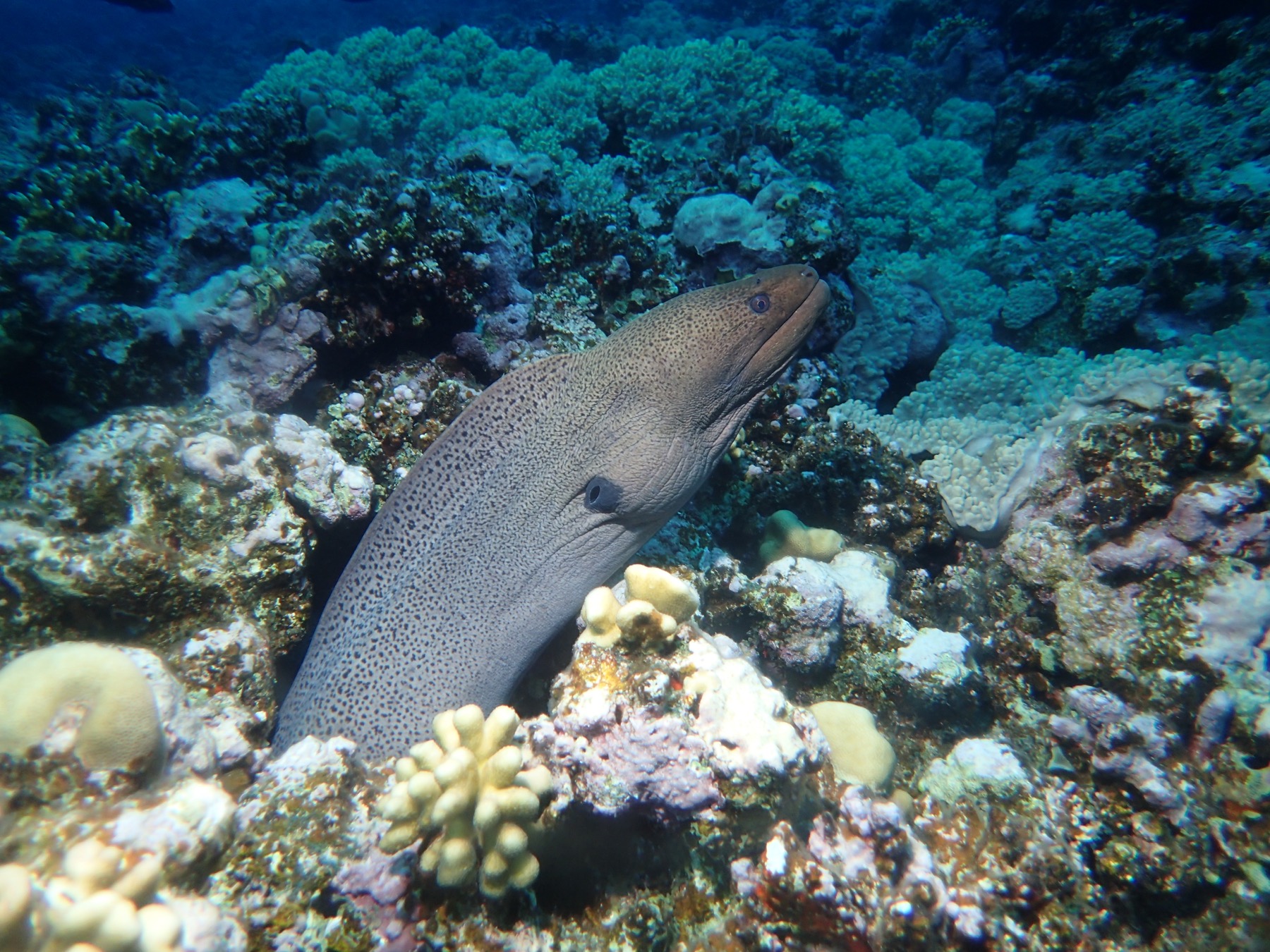
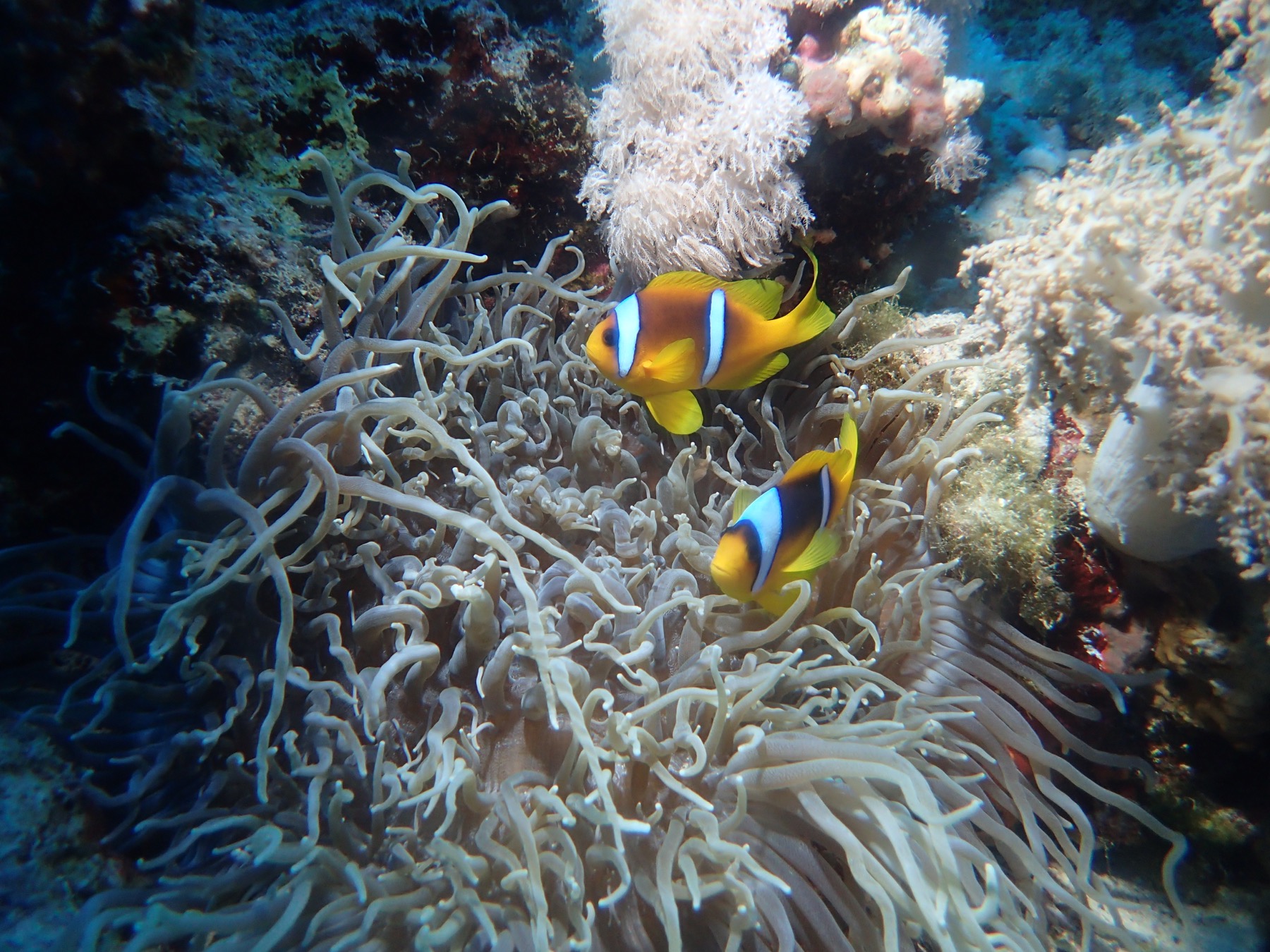
Many photographs in this story come from the MolaQuest personal Red Sea archive. They illustrate the region and were not necessarily taken during the particular trip described.
Interactive dive-site map
The Northern Red Sea wreck route
Ras Mohammed and the Gulf of Suez wrecks formed the geography of both 2005 journeys. Select a labelled pin for further dive information.
Explore the area
The Northern Red Sea wreck route
Ras Mohammed and the Gulf of Suez wrecks formed the geography of both 2005 journeys.
Planning the journey today
When to go and how to get there.
From London, fly to Sharm el-Sheikh or Hurghada, then transfer to the liveaboard marina. Some sailings use one port and finish in another, so confirm the itinerary before booking flights.
From other major origins, Cairo, Istanbul, Dubai and European hubs provide useful connections. Conditions vary through the year: winter can be cooler and breezier, while summer brings the warmest water and air.
Entry requirements, security advice and flight schedules can change. Check official travel advice and the boat operator before making arrangements.