MolaQuest journal · Maldives
The Maldives, 2004: So, This Is What Diving Can Be Like
A seaplane, a tiny green island and a dive at Nelivaru Thila that is still written in my old logbook as ‘BEST EVER.’
I was very lucky in 2004. Only a few months after learning to dive in Taba, I managed to fit in another holiday, this time in October. It also marked the beginning of what would become a fairly predictable pattern for my holidays: if there was good scuba diving involved, I was interested.
We managed to find another great deal, this time to Royal Island Resort in the Maldives.
What can I say about the Maldives that hasn't already been said? I'm not even sure the photographs really prepare you for it.
The experience starts almost immediately after landing in Malé. My first impression of the capital was how incredibly built-up it was. It seemed as though almost every available bit of land had a building, road or something else squeezed onto it.
Then we transferred to the seaplane terminal.
Some Maldivian resorts can be reached by speedboat, but if your island requires a seaplane, I think it adds something special to the experience. The planes are small, cramped, noisy and hot, and they're not particularly comfortable. But once you're in the air, you stop caring about any of that.
Below you are tiny pieces of land scattered across the Indian Ocean, some little more than circles of vegetation surrounded by white sand. Around them the water changes through different shades of blue and turquoise as the reefs and lagoons appear beneath you.
There's also the slightly strange experience of taking off from water and later landing on it. I'm still not entirely sure whether “landing” feels like the right word when you're coming down onto the sea.
Eventually we arrived at Royal Island.
It was pretty much what I'd imagined a Maldivian island would look like: small, green and covered in tropical vegetation, with incredibly white sand surrounding it.
What you also quickly realise is how much work goes into keeping a resort island looking that way. There seemed to be an army of staff constantly cleaning, sweeping and maintaining everything for the tourists. Even the dreaded mosquitoes were taken care of, although I'm not sure I wanted to know how.
For two weeks, shoes became largely unnecessary. Long trousers certainly weren't required. The temperature seemed permanently around 30°C and our bungalow was only a short distance from the sea. There were times when you could walk onto the beach and barely see another person. Even the occasional cloud full of rain was welcome, refreshing the air and keeping the island lush and beautiful. It was also a great experience seeing a single cloud dropping water for a short while faraway island while ours was being kissed by the sun.
Above water, it was about as close to my idea of a tropical island holiday as I'd ever experienced.
The diving was even better.
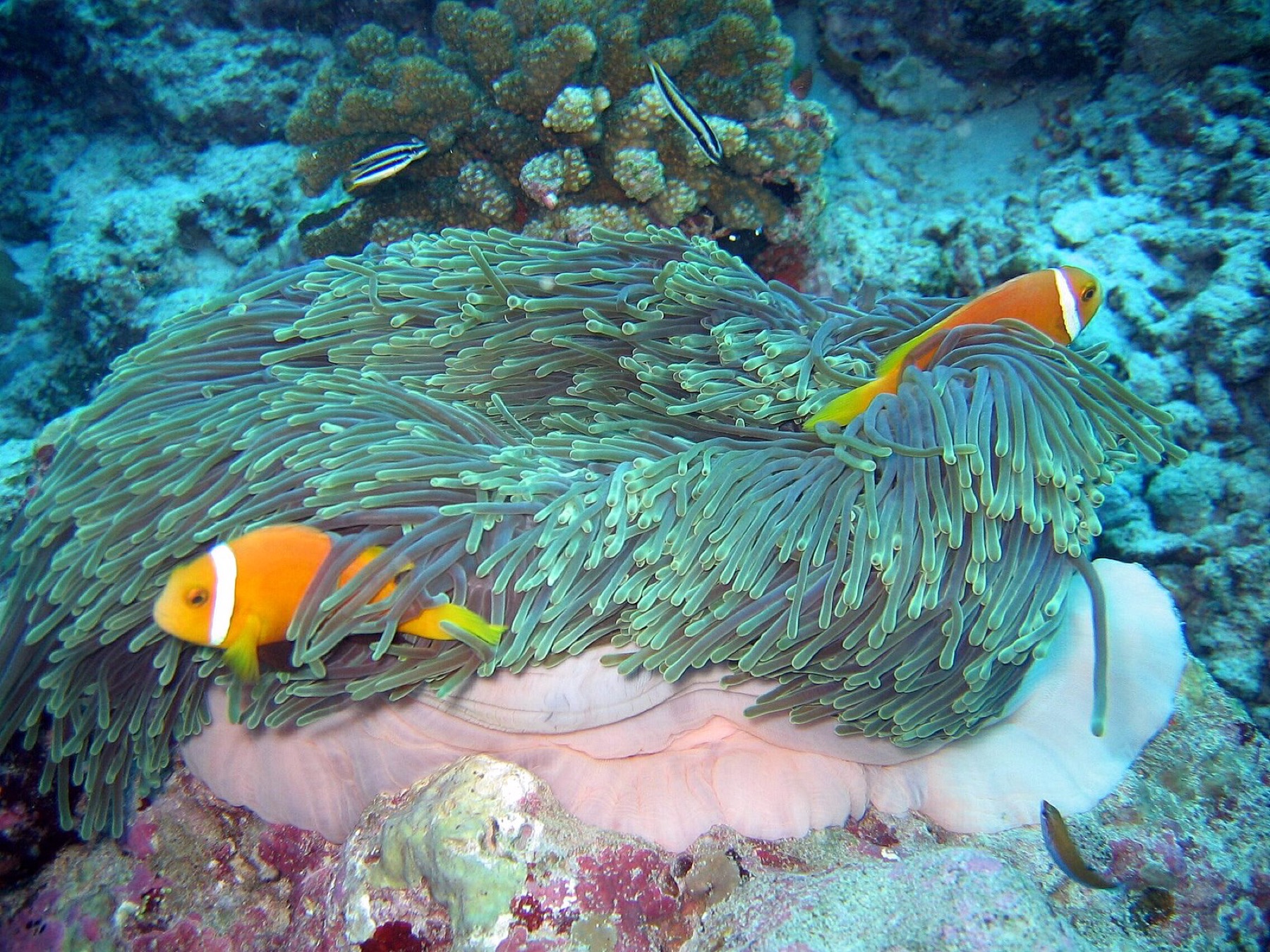
I'd learned in the Red Sea, which was already a pretty good introduction to what was underwater, but the Maldives seemed to have life everywhere.
Lionfish, moray eels, angelfish, turtles, unicornfish, bannerfish, emperor fish and oriental sweetlips were common sights. There were colourful nudibranchs and other small creatures if you slowed down enough to look for them, while boxfish and porcupinefish became particular favourites of ours.
And, of course, we wanted to see the bigger stuff too.
Seeing blacktip sharks underwater for the first time was really exciting, although I quickly realised they were considerably less interested in us than we were in them.
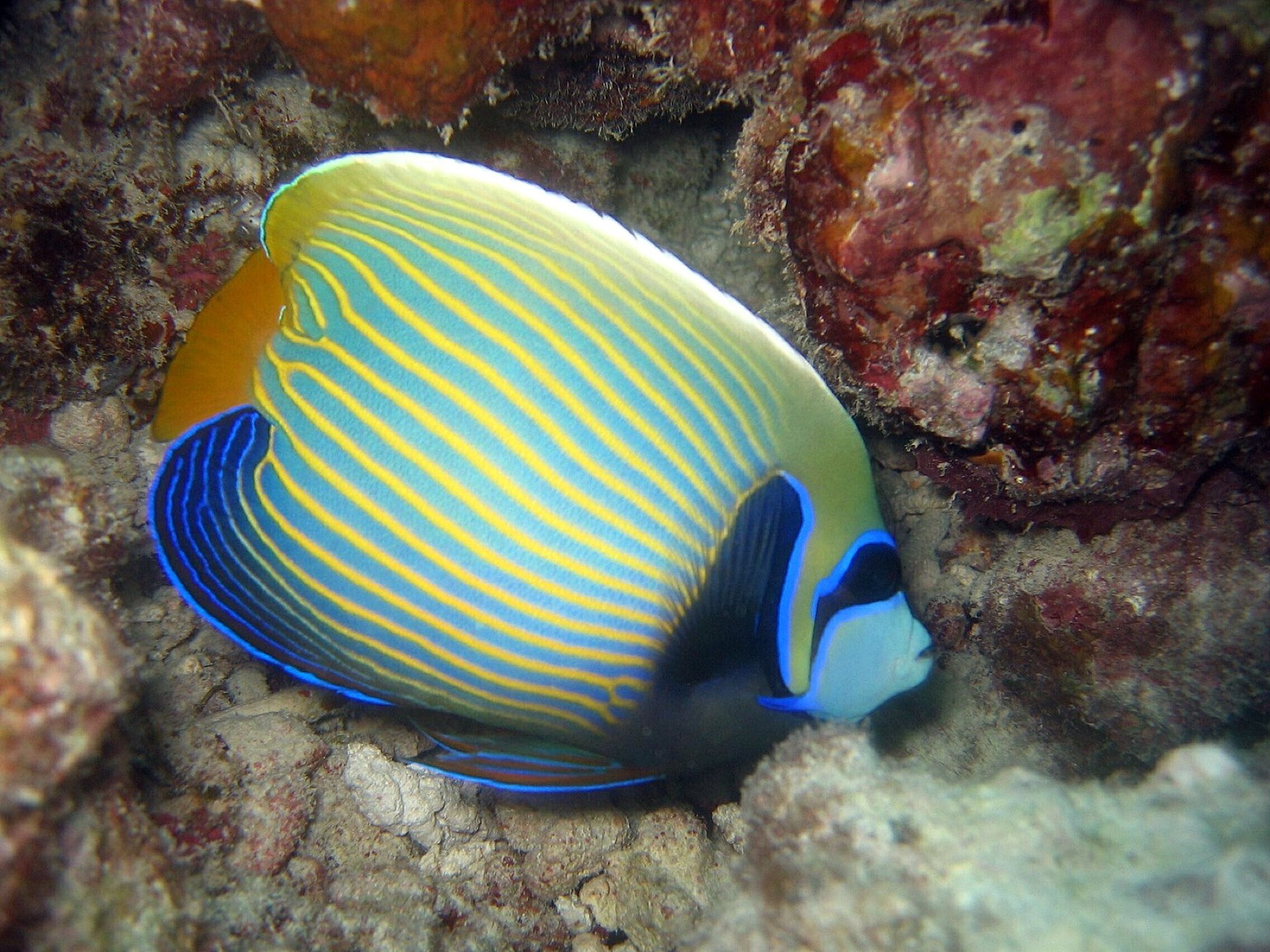
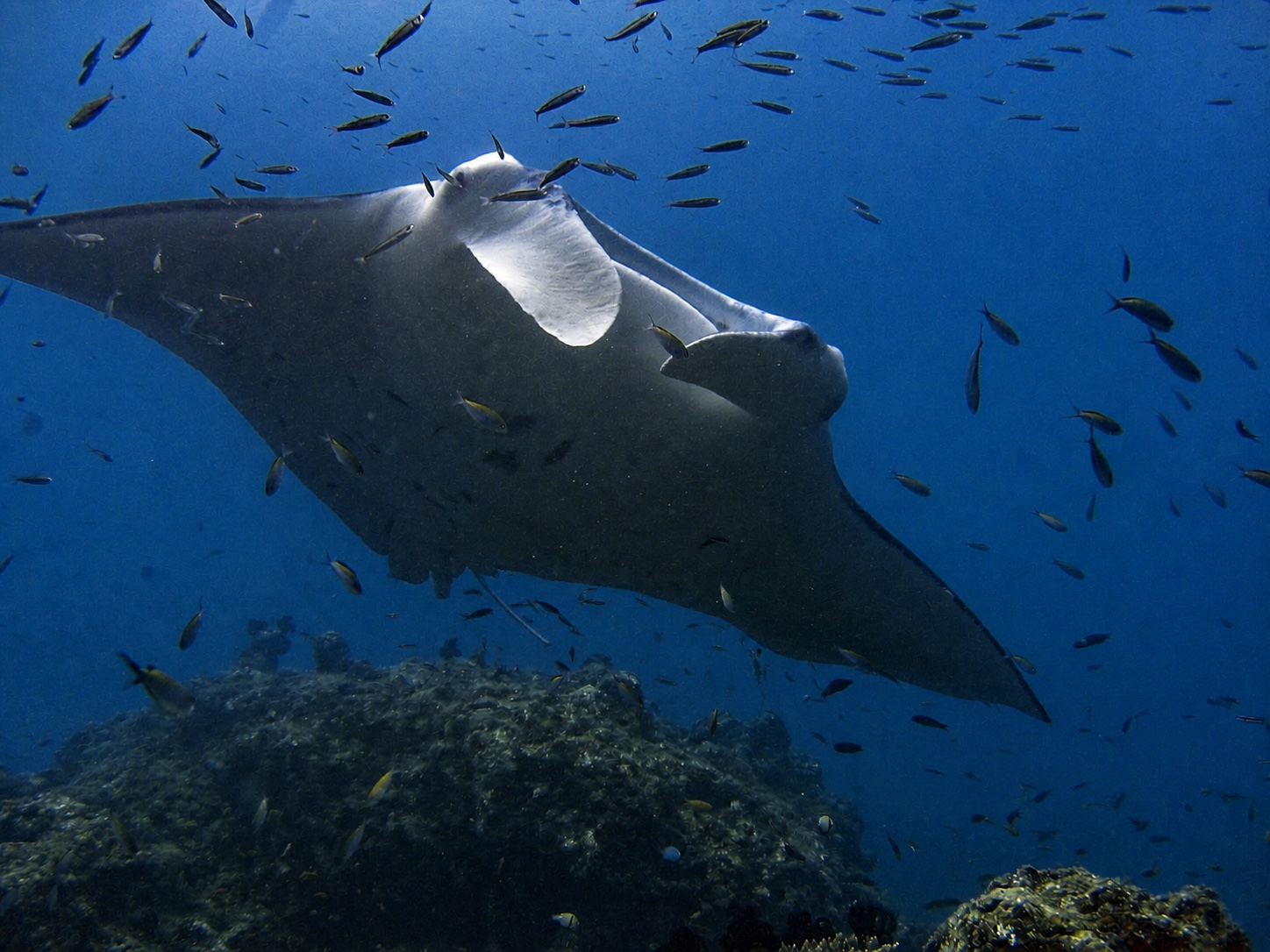
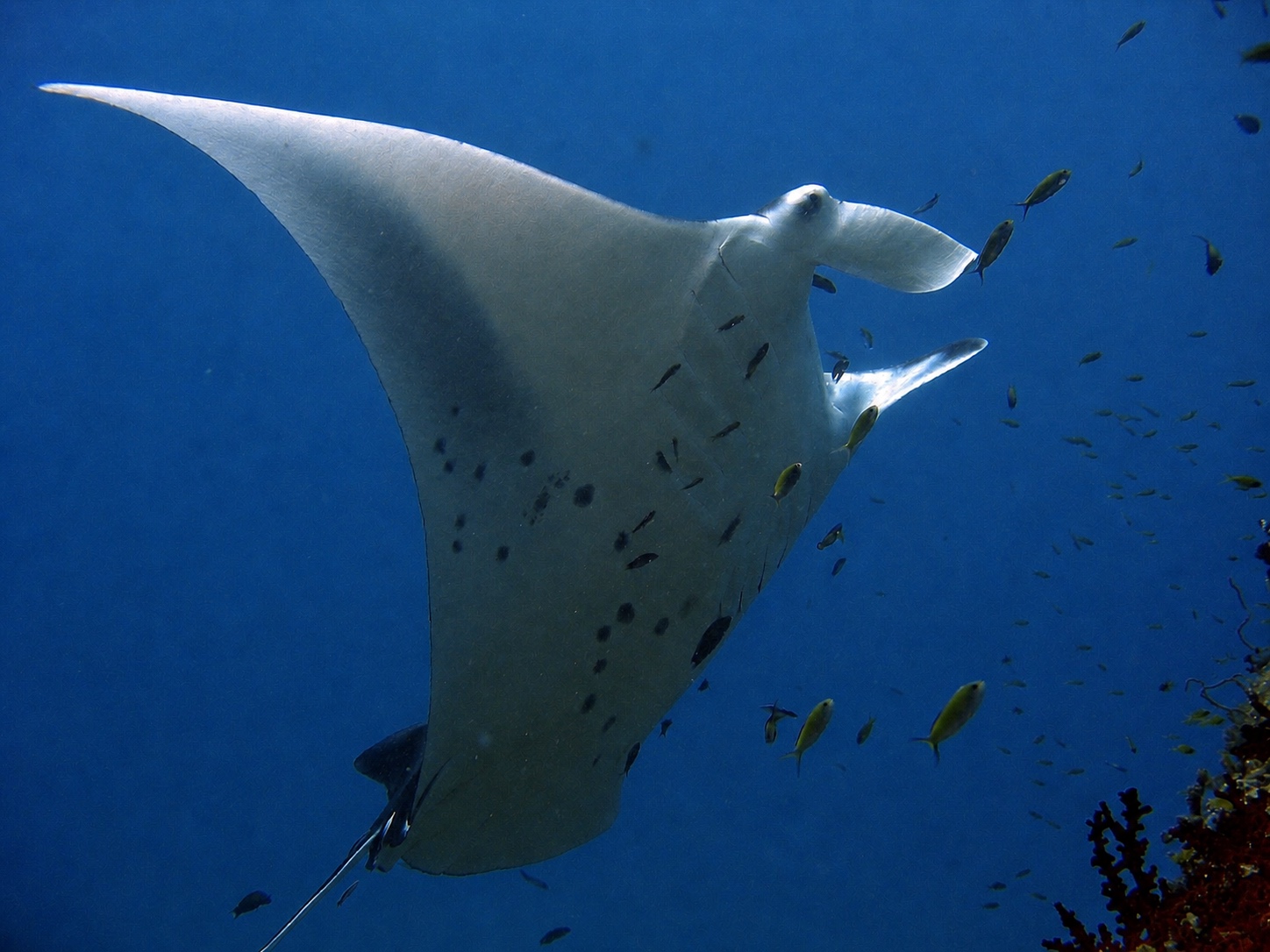
The manta rays were something else.
One dive at Nelivaru Thila is still marked in my old dive log as “BEST EVER”. Three manta rays appeared and stayed with us for what I remember as nearly 40 minutes. They kept circling and passing close by, disappearing briefly and then coming back again. We didn't have to chase them or search for them. We simply stayed there and watched.
For someone who had only qualified a few months earlier, it was extraordinary.
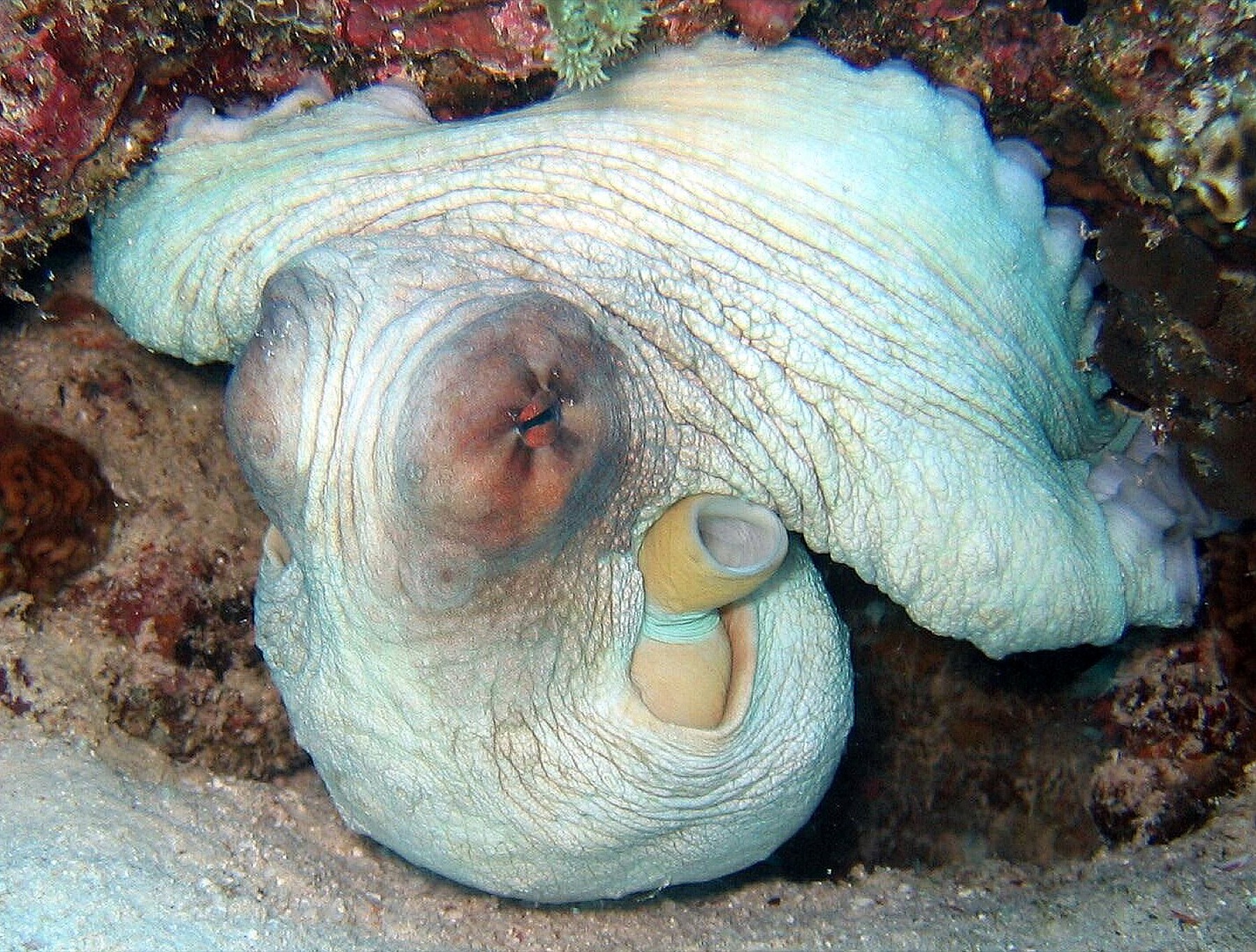
Perhaps the funniest part is how quickly human beings can become accustomed to almost anything. After spending what seemed like ages watching three manta rays swimming around us, I noticed an octopus.
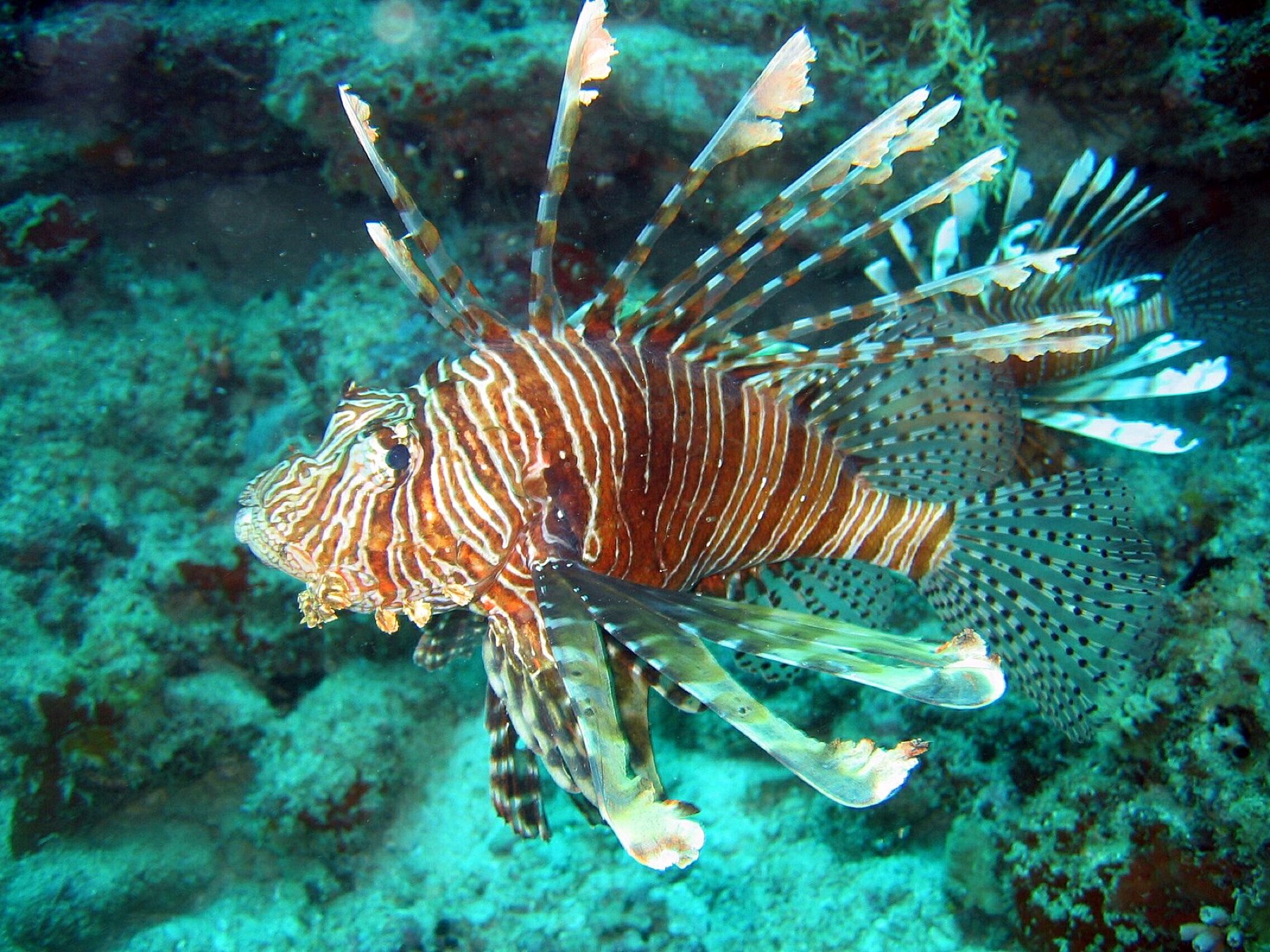
So, I started watching the octopus.
Three manta rays were putting on one of the best underwater displays I'd ever seen and apparently, I'd reached the point where I thought, yes, very nice, but what's this octopus doing?
Looking back now, the irony isn't lost on me. On later diving trips I would have been delighted just to see a manta ray in the distance. That day I had three of them around me for much of the dive and eventually became distracted by an octopus.
I still had one problem I'd brought with me from Taba: my air consumption.
It was getting better, but I was still using considerably more air than the experienced divers around me. On the manta dive our guide was extremely helpful and at one stage let me breathe from his alternate regulator. That meant I could stay underwater rather than ending the dive early for everyone else because I'd managed, once again, to get through my tank faster than everybody around me.
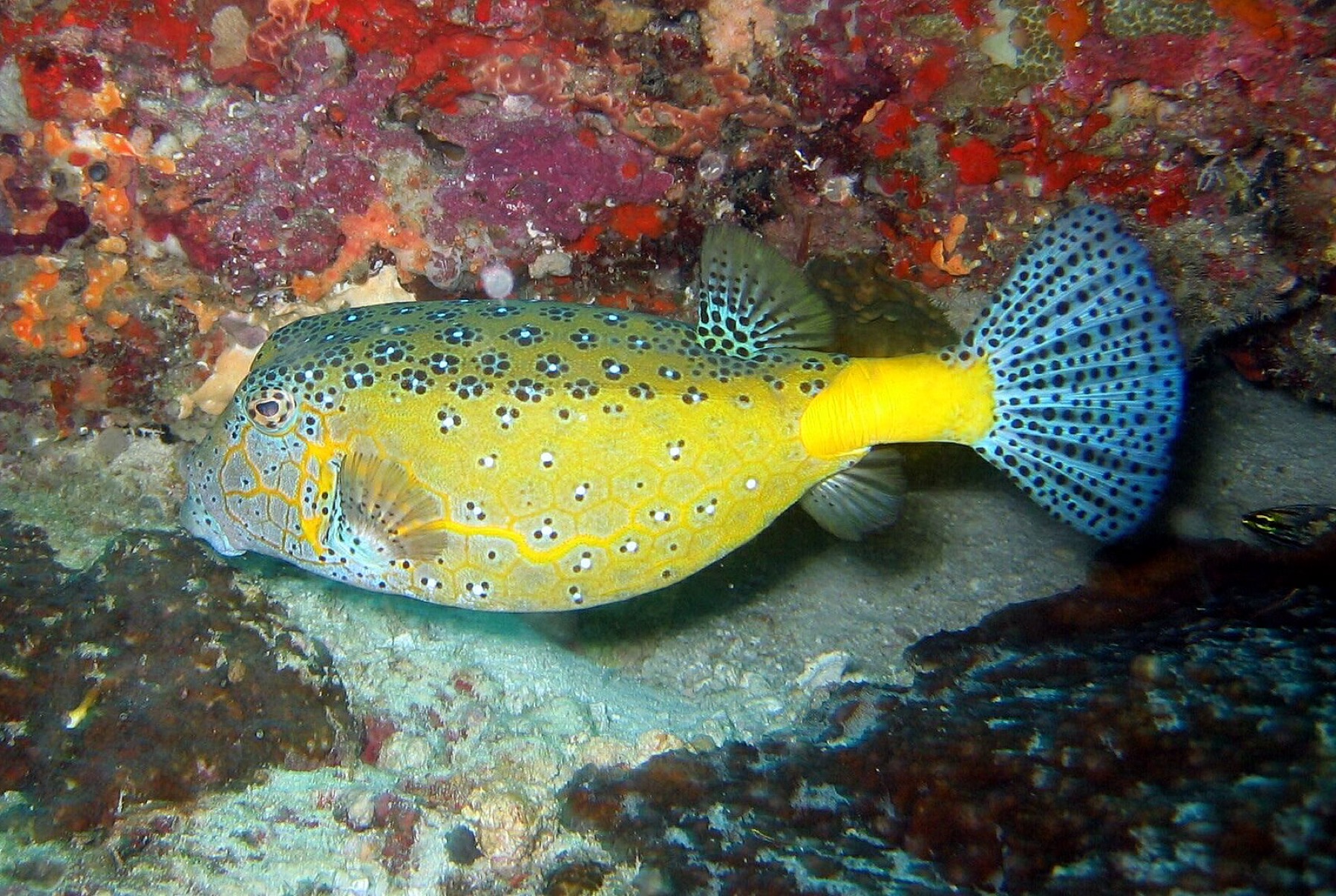
Not exactly textbook air management, but it allowed me to experience the whole dive.
The Maldives also introduced me properly to currents. Some dives were calm and easy; others made it very clear that you were in the ocean rather than a swimming pool. It was another thing to learn as a new diver.
By the end of those two weeks there wasn't really any question that diving was going to be part of my future holidays. I'd qualified only a few months earlier and was still very much a beginner. My buoyancy was improving, I was becoming more comfortable underwater, and my air consumption clearly still needed some work.
There would be plenty of dives over the years that I'd describe at the time as one of my best ever. That's probably inevitable if you keep diving in different places.
But I haven't forgotten those three manta rays at Nelivaru Thila.
Nor, slightly embarrassingly, have I forgotten that after watching them for long enough, I apparently decided an octopus was more interesting.
More than twenty years later, when I picture the Maldives, I still think of the view from that seaplane: tiny green islands, white sand and all those different shades of blue.
Except by then I'd discovered that the really interesting part was underneath.
These photographs come from the MolaQuest personal archive and were taken during the Maldives journey described in this story.
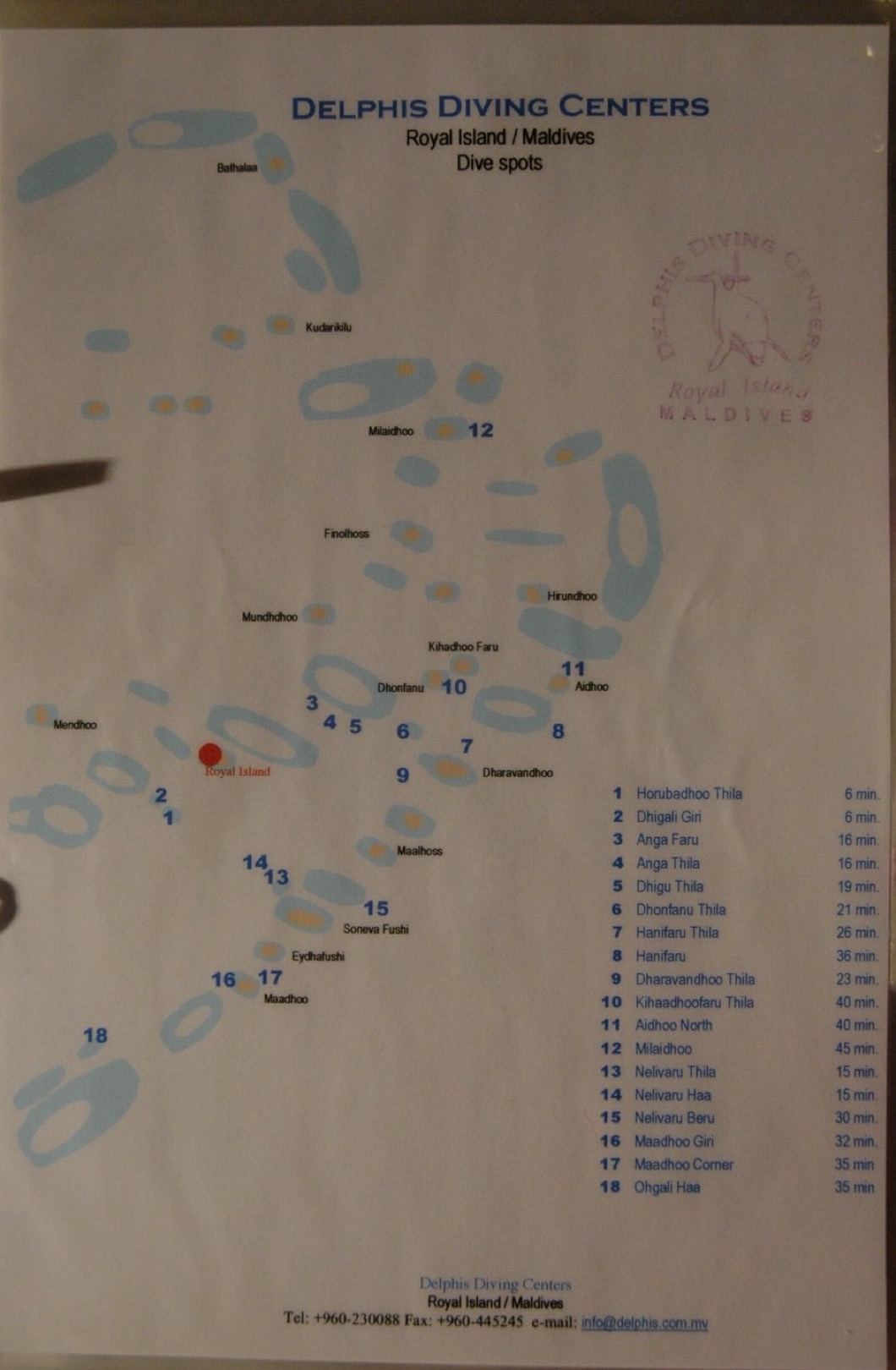
Interactive dive-site map
Royal Island and the Baa Atoll region
The journal begins at Malé and continues north by seaplane to the Baa Atoll area and Nelivaru Thila. Select a labelled pin for further dive information.
Explore the area
Royal Island and the Baa Atoll region
The journal begins at Malé and continues north by seaplane to the Baa Atoll area and Nelivaru Thila.
Planning the journey today
When to go and how to get there.
From London, travel to Velana International Airport in Malé by direct seasonal service or a one-stop connection. Dubai, Doha, Abu Dhabi, Istanbul and Colombo are common connecting hubs; the resort then arranges a speedboat, domestic flight or seaplane transfer.
The Maldives is diveable year-round. The drier northeast monsoon often gives the clearest conditions from January to April, while the wetter southwest season can bring plankton, current and manta opportunities. Atoll and channel conditions differ, so match the season to the encounters you want.
Inter-atoll transfers are tightly timed around international arrivals. Confirm the final transfer with the resort or liveaboard before buying separate tickets.