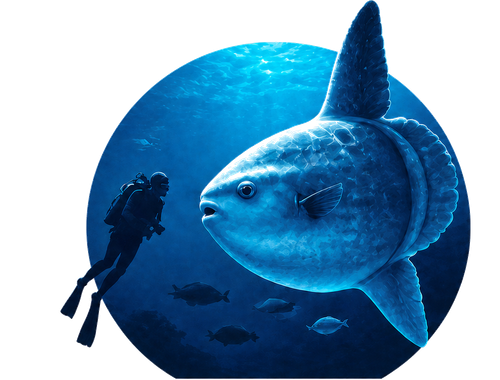
Diving area
Canary Islands
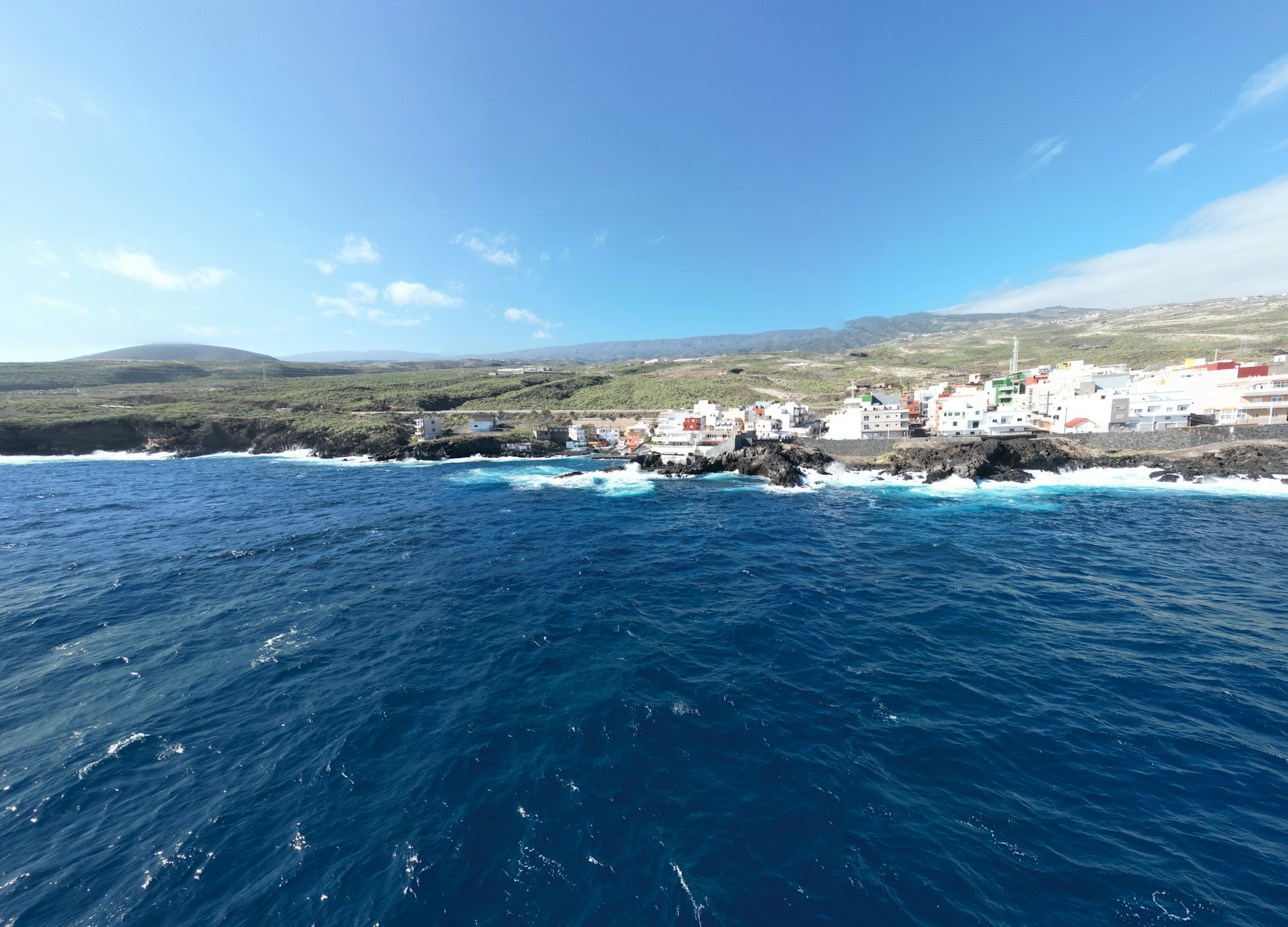
Volcanic Atlantic diving across islands with distinct coastlines, communities and combinations of shore and boat access.
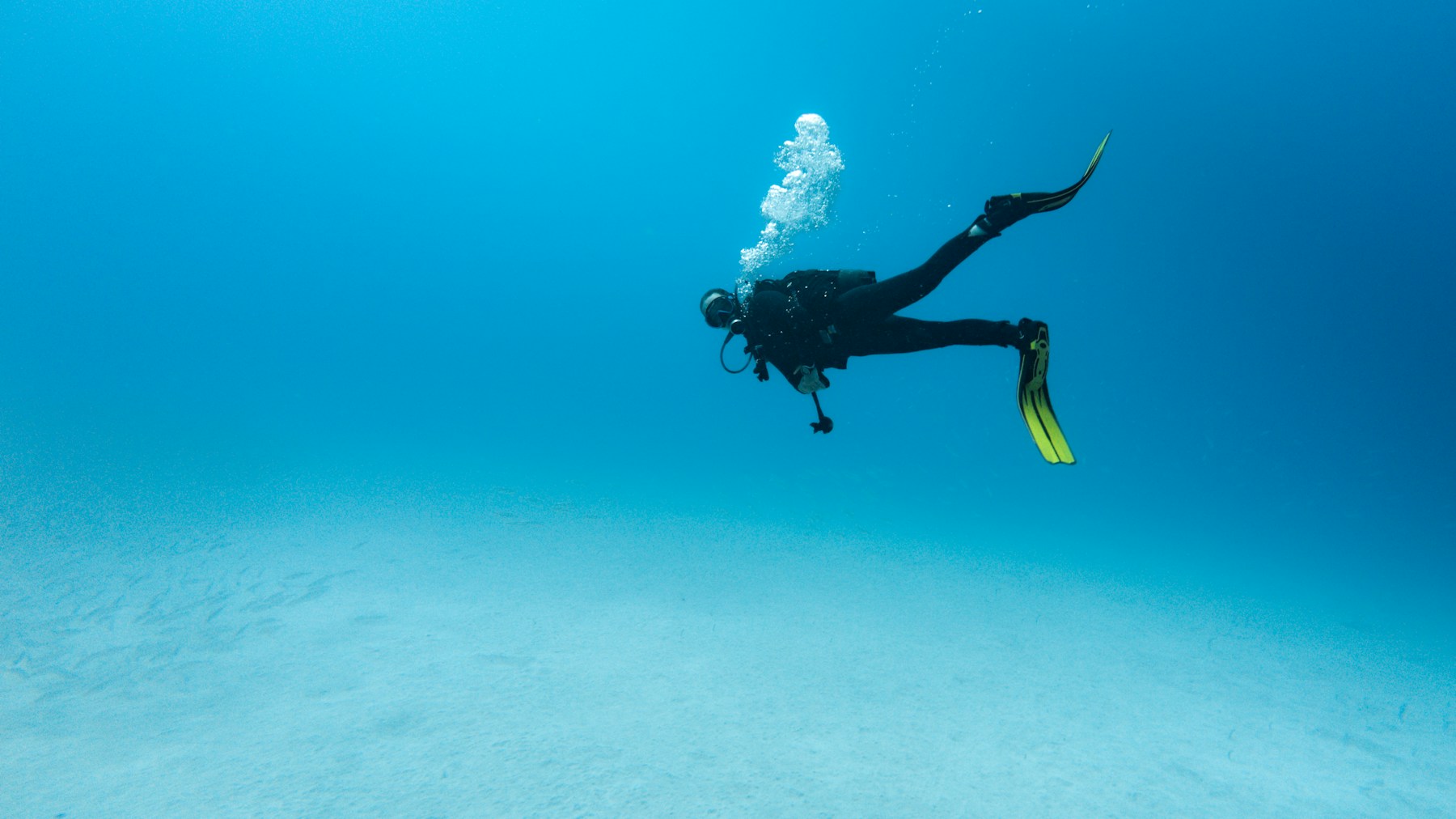
Coolest around February, warmest around late summer.
Weather, coast and sea state matter.
Why dive the Canaries
Lava has formed ledges, arches, rocky reefs and abrupt changes in depth. Sandy areas separate many formations, creating a different experience from a continuous tropical coral reef.
The islands are not interchangeable. Tenerife suits a broad trip with diving and land-based activities, while other islands offer different balances of infrastructure, access and atmosphere.
Conditions and experience
Some areas offer straightforward shore entries and sheltered training sites. Others involve exposed entries, current, deep profiles or boat access. Select the individual site according to certification, recent experience and the conditions on the day.
Go deeper
Choose a location
Map
Explore Canary Islands
Pins use geographic coordinates, so they remain attached to the same location as the map moves or zooms. Select a labelled pin to open its page.
Marine life
What you may encounter
- Rays
- Moray eels
- Octopus
- Barracuda
- Groupers
- Trumpetfish
- Angel sharks in suitable sandy habitat
Sightings vary by site, season and conditions; none are guaranteed.
Practical notes
Plan the dive properly
- Ask how shore entries are managed and how far equipment must be carried.
- Confirm what happens when wind or swell affects the planned site.
- Plan exposure protection for the water temperature, not only the air temperature.
- Follow current no-fly and altitude guidance after diving.